Banner ads are a popular form of online advertising that can be used to promote your products or services to a wide audience. However, with so many different banner ad sizes available, it can be difficult to know which sizes are the most effective.
Most Common Banner Ad Sizes:
The most common banner ad sizes are:
• Leaderboard: 728×90 pixels
• Medium Rectangle: 300×250 pixels
• Large Square: 300×300 pixels
• Skyscraper: 120×600 pixels
• Wide Skyscraper: 160×600 pixels
Why Are These Banner Ad Sizes So Popular?
There are several reasons why the banner ad sizes listed above are so popular:
• They are effective: These banner ad sizes have been shown to be effective at attracting attention and generating clicks.
• They are widely supported: These banner ad sizes are supported by a wide range of publishers, which means that you can reach your target audience on a variety of websites.
• They are easy to create and manage: These banner ad sizes are relatively easy to create and manage, which makes them a good option for advertisers of all sizes.
How to Choose the Right Banner Ad Size:
When choosing a banner ad size, there are a few factors to consider:
• Your target audience: What devices are your target audience using? If your target audience is using mobile devices, you may want to choose smaller banner ad sizes.
• Your budget: Banner ad sizes can vary in price. If you have a limited budget, you may want to choose smaller banner ad sizes.
• Your campaign goals: What are you trying to achieve with your banner ad campaign? If you are trying to generate brand awareness, you may want to choose larger banner ad sizes.
Tips for Creating Effective Banner Ads:
Once you have chosen a banner ad size, there are a few tips for creating effective banner ads:
• Use high-quality images and videos: Your banner ads should use high-quality images and videos that are relevant to your target audience.
• Use clear and concise text: Your banner ads should use clear and concise text that is easy to read and understand.
• Use a call to action: Tell your target audience what you want them to do, such as “Visit our website” or “Learn more.”
• Test different banner ad variations: Once you have created your banner ads, test different variations to see what works best for your target audience.
The most common banner ad sizes are effective and widely supported by publishers. However, it is important to choose the right banner ad size for your target audience, budget, and campaign goals. By following the tips above, you can create effective banner ads that will help you achieve your marketing goals.
Learn in 60s
Short vertical lessons from our team. Tap to watch, swipe for the next.
 1:16Prebid 10 and 11: what changed in your wrapper
Prebid 10 and 11: what changed in your wrapper
 1:04App developers: from AdMob alone to in-app bidding
App developers: from AdMob alone to in-app bidding
 1:04CTV publishers: from one app to many buyers
CTV publishers: from one app to many buyers
 1:01Web gaming sites: rewarded and interstitial ads
Web gaming sites: rewarded and interstitial ads
 1:05Finance publishers: high CPMs and strict brand safety
Finance publishers: high CPMs and strict brand safety
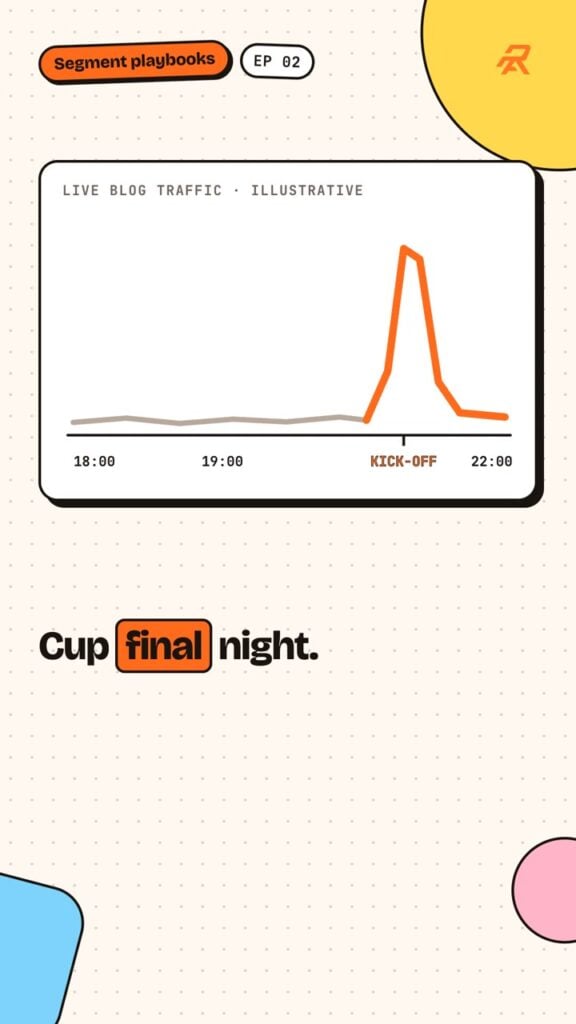 1:00Sports publishers: traffic spikes and live-event yield
Sports publishers: traffic spikes and live-event yield
 1:02News publishers: AI search, fewer clicks, and yield
News publishers: AI search, fewer clicks, and yield
 1:10CoMP: getting paid when AI crawls your content
CoMP: getting paid when AI crawls your content
 1:21Agentic ad protocols: ARTF and AAMP
Agentic ad protocols: ARTF and AAMP
 1:09The IAB spiders and bots list
The IAB spiders and bots list