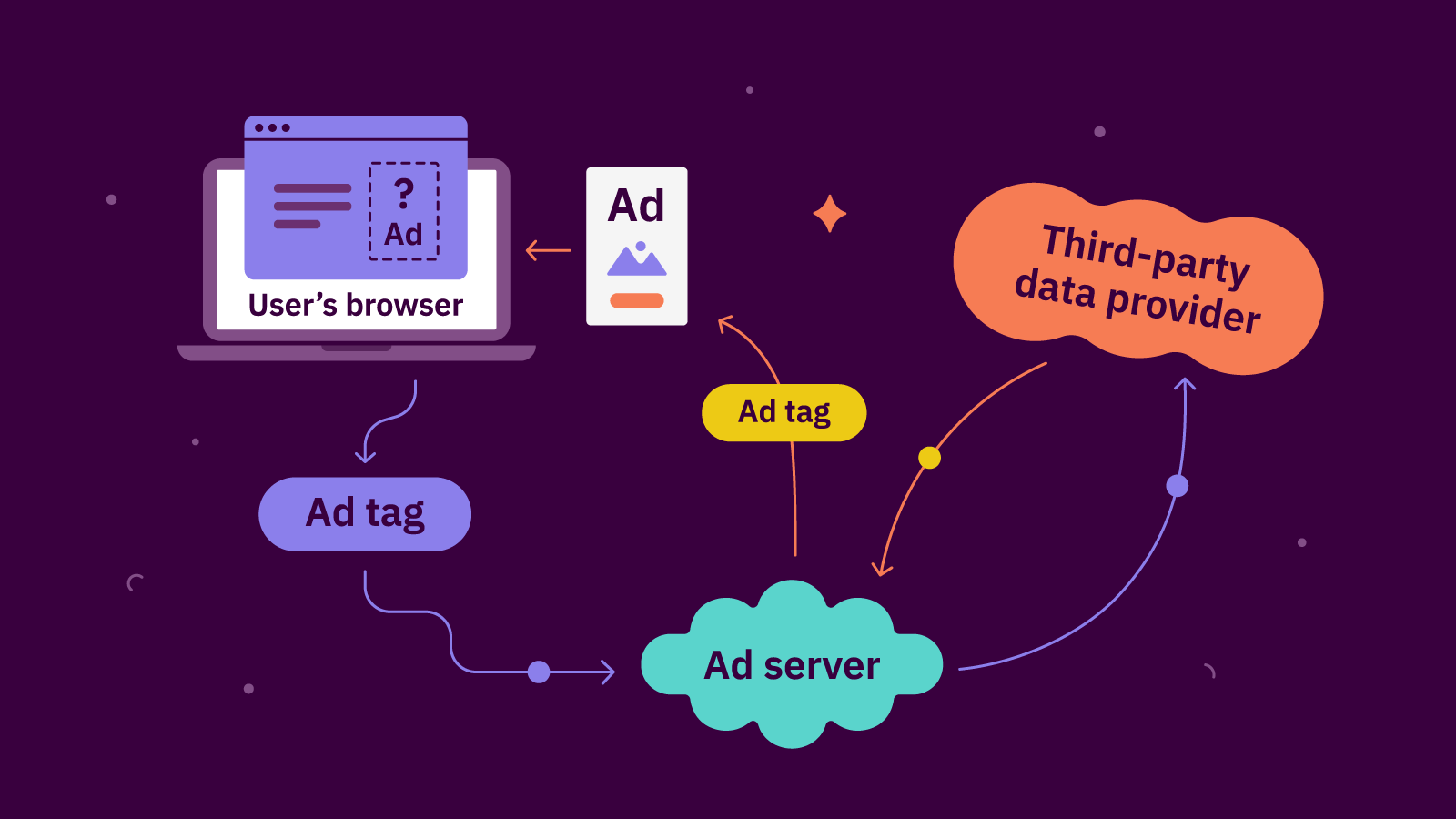
Short answer: native ads are ads that match the look and feel of the content around them: sponsored items in a feed, “recommended for you” widgets, branded articles and promoted product listings. Good examples are useful or interesting in their own right and are still clearly labelled as ads. Well-documented cases include Dell’s and Netflix’s 2014 “Paid Posts” on The New York Times.
This guide is for publishers, ad ops teams and marketers who want to know what native advertising looks like in practice. It covers the main native ad types with examples, the disclosure rules in the US and India, and how native ads are bought and sold programmatically through OpenRTB Native.
What is a native ad?
A native ad is built to fit its surroundings. Instead of a fixed banner, it is usually assembled from parts, such as a headline, an image, a short description and the advertiser’s name, and the site or app styles those parts like its own content. The aim is an ad that doesn’t interrupt. The rule is that readers must still be able to tell it is an ad.
Common types of native ads, with examples
The examples below are generic, described examples using made-up sites, except where a real campaign is clearly marked.
1. In-feed ads
In-feed ads sit inside a list of content: a news homepage, a social feed or a list of recipes. Described example: on news.example, every sixth headline in the “Latest” list is an ad for a travel insurer, with the same thumbnail size and font as the stories but a clear “Ad” label above the headline. In-feed units suit sites with long lists and a lot of scrolling.
2. Recommendation widgets
These are the grids of links under or beside an article, often titled “You may also like” or “Around the web”. Some links point to the publisher’s own stories and some are paid. Described example: at the end of an article on recipes.example, a six-tile grid shows three related recipes and three sponsored tiles, each marked “Sponsored” with the advertiser’s name. The FTC’s guidance says that when ads and non-ads are mixed like this, each ad should be labelled, or the group must be visibly set apart.
3. Sponsored content
Sponsored content is a full article, video or interactive story paid for by a brand and published in the style of the host site. It usually comes from the publisher’s in-house brand studio rather than its newsroom. Two real, well-documented examples:
- Real campaign: Dell on The New York Times (January 2014). The Times launched its “Paid Post” format with a Dell-sponsored piece about millennials in the workplace. It was produced by the Times’ advertising department, carried the Paid Post label, and stated that the newsroom had no role in it.
- Real campaign: Netflix on The New York Times (June 2014). To promote the second season of Orange Is the New Black, Netflix sponsored “Women Inmates: Why the Male Model Doesn’t Work”, a long, reported multimedia piece on women in US prisons. It ran as a Paid Post and was widely discussed as a high point of the format, and also criticised by some for how closely it resembled journalism.
4. Promoted listings
Promoted listings appear among the normal results on shopping sites, marketplaces, app stores and classifieds. Described example: a search for “running shoes” on shop.example shows a paid product in the first row, styled like every other result but marked “Sponsored”. These ads work because the shopper is already looking to buy.
5. Paid search results
Search ads follow the same idea: they look like normal results and are labelled as sponsored. They are often grouped with native advertising, though most publishers deal with them only through their own on-site search.
What makes a good native ad
- It fits the format, not just the style. A feed ad should read like a feed item; a sponsored article should be worth reading.
- It is labelled where the eye lands first. The label sits before or above the headline, not hidden in a corner.
- It names the advertiser. Readers should know who paid.
- It doesn’t crowd the page. Native units still count towards how busy a page feels and towards ad density. Clearly labelled native ads sit comfortably within the Better Ads Standards.
Disclosure and labelling rules
United States: FTC native advertising guidance
The FTC’s Native Advertising: A Guide for Businesses (December 2015) goes with its Enforcement Policy Statement on Deceptively Formatted Advertisements. The test is simple: do consumers recognise the native ad as an ad? Key points from the guide:
- Terms likely to be understood include “Ad”, “Advertisement”, “Paid Advertisement” and “Sponsored Advertising Content”.
- “Promoted” and “Promoted Stories” are called ambiguous. “Sponsored by” or “Presented by” may suggest the brand funded the content without shaping it. A logo or brand name alone is not enough.
- Put the label in front of or directly above the headline, or on the image if that is the focal point. In video, show it before the advertising message.
- Keep the label when the ad is shared, reposted or appears in search results, and make it readable on every device.
India: ASCI and the dark patterns guidelines
The ASCI Code counts paid communication as advertising even when the public might not recognise it as an ad, and says ads must not mislead by implication or omission. ASCI’s guidelines for influencer advertising require a clear label, such as “Ad” or “Sponsored”, placed upfront. A newer clause (1.8) says ads posted on media companies’ social handles must be clearly identifiable, with disclosure at the start of the post.
Separately, the Central Consumer Protection Authority’s Guidelines for Prevention and Regulation of Dark Patterns, 2023 list “disguised advertisement”, meaning ads presented in a way that hides their true nature, as one of 13 specified dark patterns.
Platform rules
Ad platforms add their own rules. Google AdSense, for example, accepts labels such as “Advertisements” or “Sponsored links” but not misleading labels, and bars arrows or images that steer readers towards ads.
How native ads are sold: OpenRTB Native
Programmatic native ads use the IAB Tech Lab’s OpenRTB Native Ads specification, which works alongside OpenRTB. Version 1.2 is the current final version. Instead of asking for a 300×250 image, the publisher’s bid request lists the parts it needs, called assets:
- Title: the headline, with a maximum length.
- Image: a main image or icon, with size limits.
- Data: text fields such as the “sponsored by” brand name, a description or call-to-action text.
- Video: optional, as a VAST tag.
The winning buyer returns those assets plus a click URL and tracking, and the publisher’s page or app draws the ad in its own style. That is why the publisher, not the advertiser, controls where the label sits. Version 1.2 also added event trackers and a field for a privacy notice link. In practice, Prebid.js supports a native media type, and Google Ad Manager and AdSense offer their own native formats.
Native ads vs display ads
Display ads are fixed-size banners that look the same wherever they run. Native ads adapt to each placement. Display is easier to buy across many sites at scale; native usually needs more setup but often feels less intrusive, so readers are more willing to notice it. Many publishers run both, and compare viewability and CTR by placement rather than assuming one is better.
Frequently asked questions
What are the main types of native ads?
In-feed ads, recommendation widgets, sponsored content and promoted listings. Paid search results are often counted too.
Do native ads have to be labelled?
Yes, whenever they could be mistaken for regular content. The FTC in the US, ASCI in India and the major ad platforms all expect a clear, upfront label.
Is “Sponsored” an acceptable label?
It is widely used, and ASCI lists it among accepted labels. The FTC’s guide prefers clearer terms such as “Ad”, “Advertisement” or “Sponsored Advertising Content”, and warns that “Sponsored by” can be ambiguous.
How are native ads priced?
Programmatic native is usually sold on a CPM or CPC basis. Sponsored articles from a brand studio are usually sold as a fixed-price package.
What is OpenRTB Native?
An IAB Tech Lab specification that lets a bid request ask for native ad parts, such as a title, image and brand name, so the publisher can render the ad in its own design.
Native ads work when they respect the reader: they fit the page, they are worth a look, and nobody has to guess that they are ads. To go further, the free RediAds ad tech glossary explains the terms used here in plain language.
Learn in 60s
Short vertical lessons from our team. Tap to watch, swipe for the next.
 1:13Ep 5: AdCP vs AAMP, do you have to pick one?
Ep 5: AdCP vs AAMP, do you have to pick one?
 1:02Ep 4: adagents.json, the guest list for AI agents
Ep 4: adagents.json, the guest list for AI agents
 1:08Ep 3: Completed isn’t live: two statuses of a media buy
Ep 3: Completed isn’t live: two statuses of a media buy
 1:07Ep 2: Products, not placements
Ep 2: Products, not placements
 1:04Ep 1: AdCP, how AI agents buy ads
Ep 1: AdCP, how AI agents buy ads
 1:16Prebid 10 and 11: what changed in your wrapper
Prebid 10 and 11: what changed in your wrapper
 1:04App developers: from AdMob alone to in-app bidding
App developers: from AdMob alone to in-app bidding
 1:04CTV publishers: from one app to many buyers
CTV publishers: from one app to many buyers
 1:01Web gaming sites: rewarded and interstitial ads
Web gaming sites: rewarded and interstitial ads
 1:05Finance publishers: high CPMs and strict brand safety
Finance publishers: high CPMs and strict brand safety