

“Invalid traffic” is a crafty villain in the realm of websites and online advertising. It resembles the villains attempting to sabotage your preferred video game. But don’t worry, we’ll keep it easy enough for a 10-year-old to understand as we explain what it is and how to combat it.
What is Invalid Traffic?
IVT, or invalid traffic, refers to unwelcome visitors who visit a website and engage in unkind behavior. They might click on adverts randomly, which is a major issue for the website and the ads.
Types of Invalid Traffic
Good IVT vs. Bad IVT
General invalid traffic (GIVT) and Sophisticated invalid traffic (SIVT) are the two categories of invalid traffic.
- General Invalid Traffic (GIVT): These are the less intelligent criminals. They are simple to identify because they behave suspiciously, such as clicking excessively or originating from unexpected locations.
- Sophisticated Invalid Traffic (SIVT): Beware of these cunning criminals. It’s challenging to catch them because they make an effort to appear like genuine visitors.
Why IVT is a Big Problem?
When IVT comes to town, it causes trouble:
• Ad Revenue Loss: Because advertisers refuse to pay for phony clicks, websites suffer financial losses.
• Poor Reputation: IVT can give websites a negative reputation. They risk losing the interest of potential advertisers.
• Account Suspensions: If a website has too much IVT, it may be banned from the game (suspended).
• Fewer Friends: IVT makes it challenging for websites to learn about the preferences of their users. Therefore, customers can cease returning.
• Advertiser Issues: IVT annoys advertisers, and this may cause them to stop using the websites.
Here are some tips to stop IVT
- -Get to Know Your Visitors: Keep track of the people who are coming to your website. You can act if something seems strange.
- Don’t buy visitors: since they could be evil guys. Never pay for visits. Make your website fantastic instead of attracting actual visitors.
- No Clicking Allowed: Don’t click on the advertisements on your website, and don’t ask your loved ones to either. That must not be done.
- Placement of ads: Ensure that they are visible and not hidden in odd places.
- Get Assistance: Sometimes you require a superhero to assist you. By putting an immediate halt to IVT, businesses like WhiteOps and Pixalate can come to the rescue.
- Use Google’s assistance: IVT may be located and blocked using Google Analytics. But keep in mind that it’s not entirely foolproof.
Extra Tips for Website Owners
The bad people can sometimes be smarter than you believe. That makes advertisers uneasy, so they could be reluctant to pay you. What you can do is:
– Play Clean: Don’t allow the bad folks to ruin your game by becoming a poor player.
– Avoid Losing Money: IVT can cause marketers to spend less money on your website, which is not enjoyable.
– Fight Collectively: Team up with others to thwart IVT and safeguard your website.
Frequently Asked Questions
Q1: What is invalid traffic in simple words?
A: When nasty robots or individuals visit websites and perform harmful things like clicking on adverts randomly, that is what is meant by “invalid traffic.”
Q2: Can you give an example of invalid traffic?
A: Sure! It’s comparable to a robot clicking on an advertisement repeatedly despite having little interest in what it has to say. That isn’t playing fairly.
Q3: How can I stop invalid traffic on my website?
A: By keeping an eye on who visits your website, refraining from buying visitors, avoiding clicking on your own ads, placing ads in the appropriate locations, and enlisting the aid of superhero firms, you may halt invalid traffic.
Learn in 60s
Short vertical lessons from our team. Tap to watch, swipe for the next.
 1:16Prebid 10 and 11: what changed in your wrapper
Prebid 10 and 11: what changed in your wrapper
 1:04App developers: from AdMob alone to in-app bidding
App developers: from AdMob alone to in-app bidding
 1:04CTV publishers: from one app to many buyers
CTV publishers: from one app to many buyers
 1:01Web gaming sites: rewarded and interstitial ads
Web gaming sites: rewarded and interstitial ads
 1:05Finance publishers: high CPMs and strict brand safety
Finance publishers: high CPMs and strict brand safety
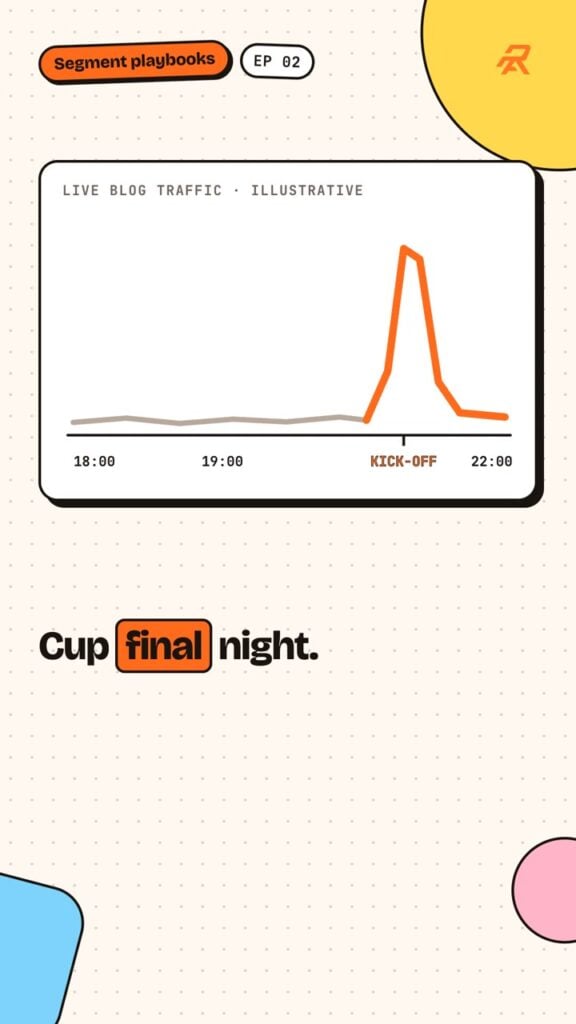 1:00Sports publishers: traffic spikes and live-event yield
Sports publishers: traffic spikes and live-event yield
 1:02News publishers: AI search, fewer clicks, and yield
News publishers: AI search, fewer clicks, and yield
 1:10CoMP: getting paid when AI crawls your content
CoMP: getting paid when AI crawls your content
 1:21Agentic ad protocols: ARTF and AAMP
Agentic ad protocols: ARTF and AAMP
 1:09The IAB spiders and bots list
The IAB spiders and bots list


