Interstitial ads are full-screen ads that appear between pages or activities on a website or app. They can be very effective at grabbing users’ attention and driving conversions, but it’s important to use them wisely.
If you show interstitial ads too often, you risk annoying your users and driving them away.That’s why it’s important to set a frequency cap for your interstitial ads. A frequency cap is a limit on the number of times a user can see an interstitial ad within a specified period of time.
What is the best frequency capping for interstitial ads?
There is no one-size-fits-all answer to this question, as the best frequency cap for interstitial ads will vary depending on a number of factors, including:
• Your target audience
• The type of interstitial ads you’re showing
• The placement of your interstitial adsYour overall advertising strategy
However, a good general rule of thumb is to limit interstitial ads to one per user per session. This means that a user should only see an interstitial ad once when they visit your website or app.You may also want to consider setting a frequency cap on a weekly or monthly basis. For example, you might limit a user to seeing a certain number of interstitial ads per week or per month.
Tips for setting optimal frequency caps
Here are a few tips for setting optimal frequency caps for your interstitial ads:
• Start with a low frequency cap and gradually increase it over time. This will help you to gauge how your users react to interstitial ads and to find the right balance between revenue generation and user experience.
• Monitor your user analytics closely. Pay attention to metrics such as bounce rate, page views per session, and time on site. If you notice that any of these metrics are declining, it may be a sign that you’re showing too many interstitial ads.
• Use a variety of ad formats. Interstitial ads can be a great way to generate revenue, but they’re not the only way. Consider using other ad formats, such as banner ads, native ads, and video ads, to break up your interstitial ads and provide users with a more varied advertising experience.
• Consider your target audience. What are their pain points? What are their interests? What kind of ads are they most likely to respond to? By understanding your target audience, you can create interstitial ads that are more relevant and engaging.
• Test different frequency caps. There’s no one-size-fits-all answer to the question of what the best frequency capping for interstitial ads is. The best way to find out what works best for you is to experiment with different frequency caps and to monitor your results.
Learn in 60s
Short vertical lessons from our team. Tap to watch, swipe for the next.
 1:16Prebid 10 and 11: what changed in your wrapper
Prebid 10 and 11: what changed in your wrapper
 1:04App developers: from AdMob alone to in-app bidding
App developers: from AdMob alone to in-app bidding
 1:04CTV publishers: from one app to many buyers
CTV publishers: from one app to many buyers
 1:05Finance publishers: high CPMs and strict brand safety
Finance publishers: high CPMs and strict brand safety
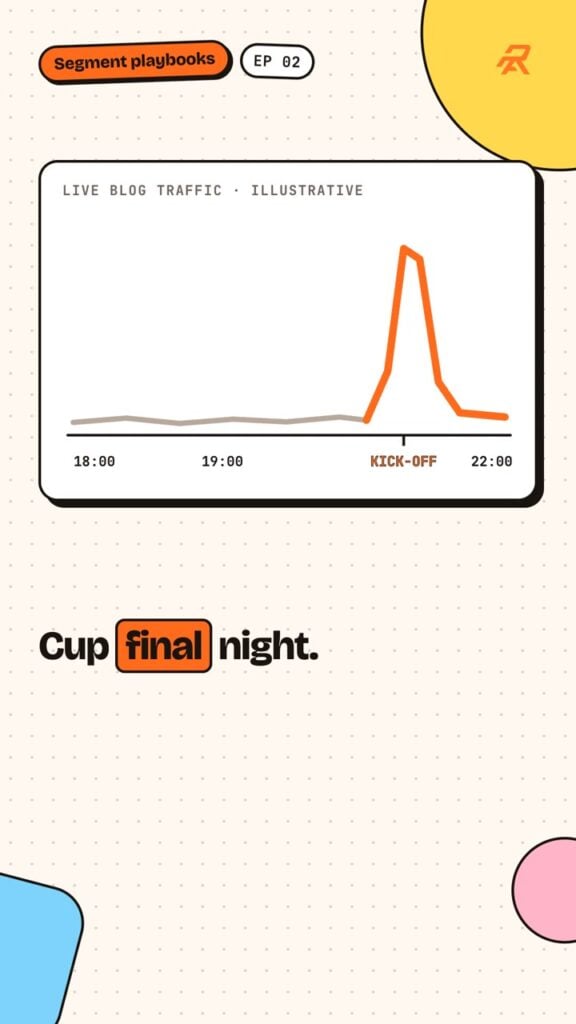 1:00Sports publishers: traffic spikes and live-event yield
Sports publishers: traffic spikes and live-event yield
 1:02News publishers: AI search, fewer clicks, and yield
News publishers: AI search, fewer clicks, and yield
 1:10CoMP: getting paid when AI crawls your content
CoMP: getting paid when AI crawls your content
 1:21Agentic ad protocols: ARTF and AAMP
Agentic ad protocols: ARTF and AAMP
 1:09The IAB spiders and bots list
The IAB spiders and bots list
 1:08DSA transparency in the EU bid stream
DSA transparency in the EU bid stream