Ad viewability is a measure of how many ads are actually seen by users. It is an important metric for digital advertising because advertisers only want to pay for ads that are seen by their target audience.The Interactive Advertising Bureau (IAB) and the Media Rating Council (MRC) have established standards for ad viewability. These standards are designed to ensure that ads are counted as viewable only if they are actually seen by users.
What are IAB and MRC Ad Viewability Standards?
The IAB and MRC ad viewability standards define a viewable ad as one that meets the following criteria:
• At least 50% of the ad’s pixels must be visible on the screen for at least one second.
• The ad must be in an in-focus browser tab.
• The user must not be scrolling the page.
• These standards are designed to ensure that ads are only counted as viewable if they are actually seen by users.
Why are IAB and MRC Ad Viewability Standards Important?
IAB and MRC ad viewability standards are important for a number of reasons.First, they help to ensure that advertisers are only paying for ads that are actually seen by their target audience. This helps to reduce wasted ad spend and improve the ROI of digital advertising campaigns.
Second, IAB and MRC ad viewability standards help to improve the user experience. When users see ads that are actually relevant to them, they are more likely to engage with those ads and click on them. This can lead to increased conversions and revenue for publishers.
How to Comply with IAB and MRC Ad Viewability Standards
Publishers can comply with IAB and MRC ad viewability standards by following these tips:
• Use a reputable ad server that supports IAB and MRC ad viewability standards.
• Place ads in above-the-fold positions.Use ad sizes that are appropriate for the device and screen size of the user.
• Avoid using pop-up ads and other intrusive ad formats.
• Use ad blocking detection software to prevent users from blocking your ads.
IAB and MRC ad viewability standards are important for both advertisers and publishers. Advertisers can use these standards to ensure that they are only paying for ads that are actually seen by their target audience. Publishers can use these standards to improve the user experience and increase their advertising revenue.
Learn in 60s
Short vertical lessons from our team. Tap to watch, swipe for the next.
 1:13Ep 5: AdCP vs AAMP, do you have to pick one?
Ep 5: AdCP vs AAMP, do you have to pick one?
 1:02Ep 4: adagents.json, the guest list for AI agents
Ep 4: adagents.json, the guest list for AI agents
 1:08Ep 3: Completed isn’t live: two statuses of a media buy
Ep 3: Completed isn’t live: two statuses of a media buy
 1:07Ep 2: Products, not placements
Ep 2: Products, not placements
 1:04Ep 1: AdCP, how AI agents buy ads
Ep 1: AdCP, how AI agents buy ads
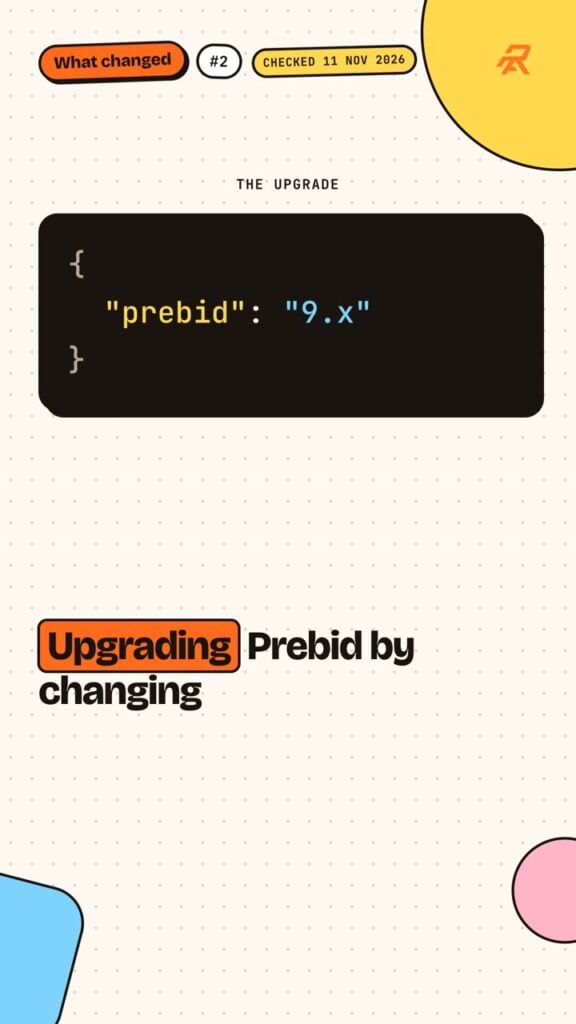 1:16Prebid 10 and 11: what changed in your wrapper
Prebid 10 and 11: what changed in your wrapper
 1:04App developers: from AdMob alone to in-app bidding
App developers: from AdMob alone to in-app bidding
 1:04CTV publishers: from one app to many buyers
CTV publishers: from one app to many buyers
 1:01Web gaming sites: rewarded and interstitial ads
Web gaming sites: rewarded and interstitial ads
 1:05Finance publishers: high CPMs and strict brand safety
Finance publishers: high CPMs and strict brand safety