Banner ads are a type of online advertising that is displayed on websites and apps. They can be used to promote a wide range of products and services, and they can be very effective at driving traffic to your website and increasing brand awareness.
However, banner ads can also be ignored by users, so it’s important to create effective banner ads that stand out and get noticed. In this article, we’ll discuss the best practices for creating banner ads that drive results.
Choose the Right Banner Ad Size
The first step to creating an effective banner ad is to choose the right size. There are many different banner ad sizes available, so it’s important to choose a size that is compatible with the websites and apps where you want your ad to appear.
The most common banner ad sizes are:
• Leaderboard (728×90)
• Medium Rectangle (300×250)
• Skyscraper (120×600)
• Mobile Leaderboard (320×50)
• Square (250×250)
Create Compelling Copy and Visuals
Once you’ve chosen a banner ad size, you need to create compelling copy and visuals. Your copy should be clear, concise, and persuasive. It should tell users what you’re selling and why they should care.Your visuals should be eye-catching and relevant to your product or service. You should also use high-quality images and videos.
Use a Clear Call to Action
Your banner ad should have a clear call to action that tells users what you want them to do. For example, you might say “Click here to learn more” or “Shop now.”
Target Your Banner Ads
You can target your banner ads to specific audiences based on their demographics, interests, and even online behavior. This allows you to reach the people who are most likely to be interested in what you have to offer.
Track Your Results
It’s important to track the results of your banner ad campaigns so that you can see what’s working and what’s not. You can use a variety of metrics to track your results, such as click-through rate (CTR), conversion rate, and cost per lead.
Learn in 60s
Short vertical lessons from our team. Tap to watch, swipe for the next.
 1:16Prebid 10 and 11: what changed in your wrapper
Prebid 10 and 11: what changed in your wrapper
 1:04App developers: from AdMob alone to in-app bidding
App developers: from AdMob alone to in-app bidding
 1:04CTV publishers: from one app to many buyers
CTV publishers: from one app to many buyers
 1:01Web gaming sites: rewarded and interstitial ads
Web gaming sites: rewarded and interstitial ads
 1:05Finance publishers: high CPMs and strict brand safety
Finance publishers: high CPMs and strict brand safety
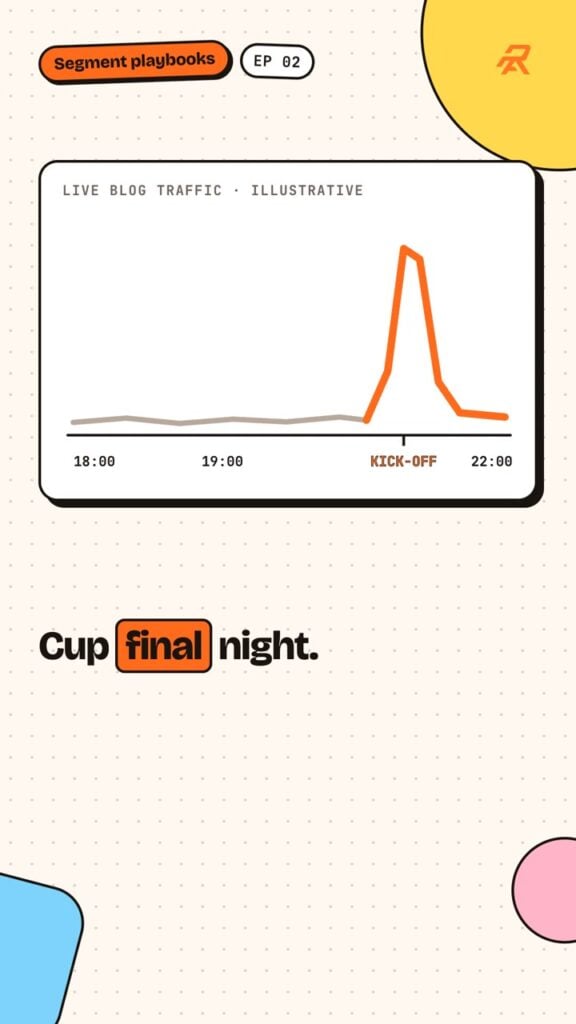 1:00Sports publishers: traffic spikes and live-event yield
Sports publishers: traffic spikes and live-event yield
 1:02News publishers: AI search, fewer clicks, and yield
News publishers: AI search, fewer clicks, and yield
 1:10CoMP: getting paid when AI crawls your content
CoMP: getting paid when AI crawls your content
 1:21Agentic ad protocols: ARTF and AAMP
Agentic ad protocols: ARTF and AAMP
 1:09The IAB spiders and bots list
The IAB spiders and bots list