 1:13
Ep 11: Why identity changes your CPM
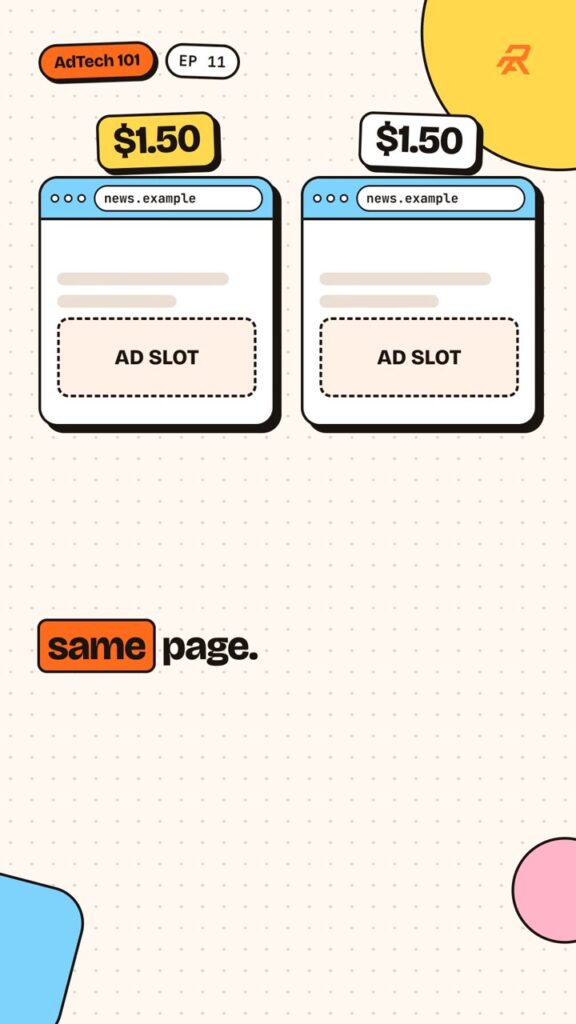
Same slot, same page. Why does one visitor earn double?
Lesson notes
Same slot, same page. Why does one visitor earn double?
Identity is any signal that lets a buyer recognize the same person again.
Two readers open one article on news.example. Reader one is on Chrome, with a cookie a DSP recognizes. It knows she browsed flights last week, so a travel brand bids, say, three dollars. Reader two is on Safari. No cookie, no match. The DSP sees only the page and the country, and bids, say, one fifty. Recognized users let buyers target, limit repeats, and measure sales, so they bid more. In a twenty nineteen test, Google found publisher revenue fell by about half without cookies. Publishers close the gap with first-party IDs, like logins, and with context, meaning the page topic.
In your ad server report, split CPM by browser. The gap shows what identity is worth on your site.
Next, consent in sixty seconds. GDPR, CMPs and the consent string.
Up next in this series
 1:17Ep 12: Consent in 60 seconds
Ep 12: Consent in 60 seconds
 1:02Ep 1: Request, impression, viewable impression
Ep 1: Request, impression, viewable impression
 1:05Ep 2: CPM, eCPM, RPM: which number pays you
Ep 2: CPM, eCPM, RPM: which number pays you
 1:00Ep 3: Fill rate, the inventory nobody bought
Ep 3: Fill rate, the inventory nobody bought
 1:09Ep 4: The ad tech map in one picture
Ep 4: The ad tech map in one picture
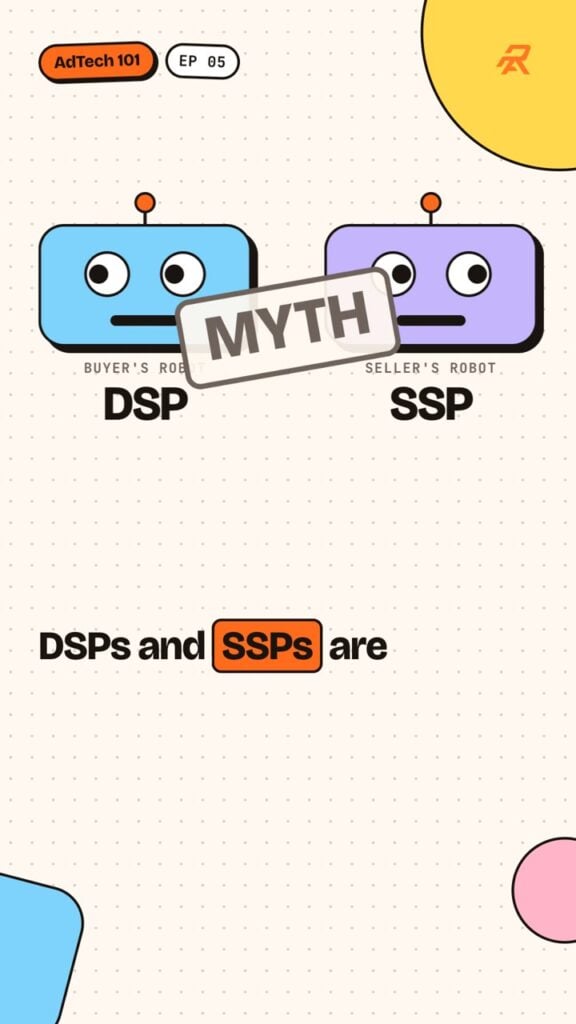 1:09Ep 5: DSP vs SSP: the buyer’s robot and the seller’s robot
Ep 5: DSP vs SSP: the buyer’s robot and the seller’s robot
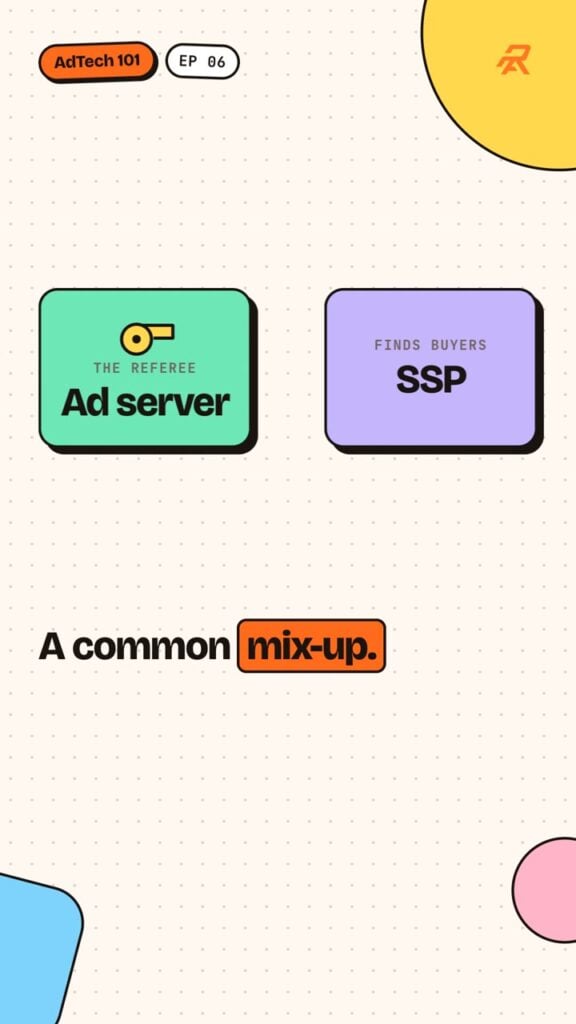 1:04Ep 6: Your ad server is not an SSP
Ep 6: Your ad server is not an SSP
 1:13Ep 7: Ad network vs ad exchange
Ep 7: Ad network vs ad exchange
 1:14Ep 8: Direct-sold, programmatic, remnant
Ep 8: Direct-sold, programmatic, remnant
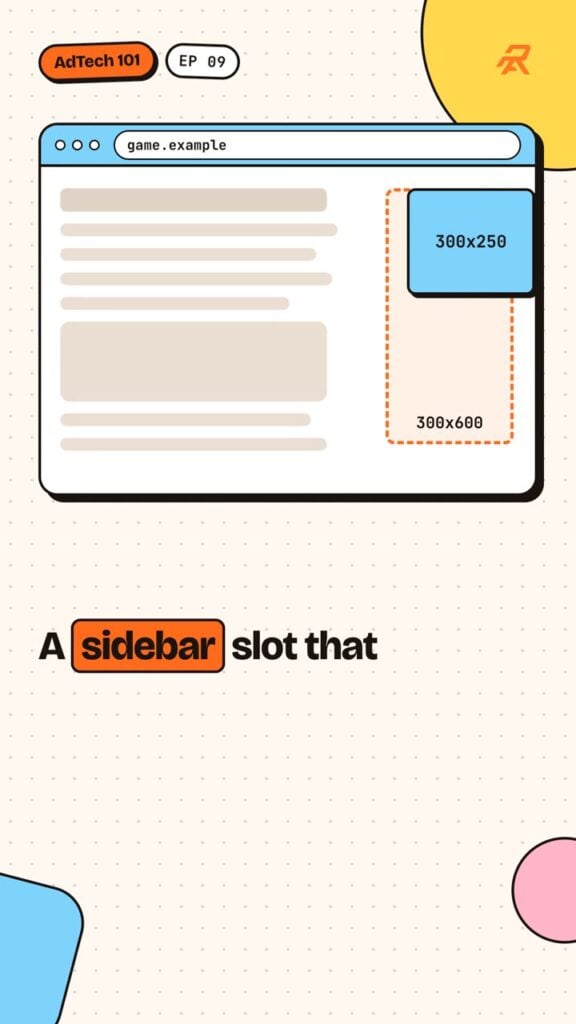 1:04Ep 9: Ad sizes that earn
Ep 9: Ad sizes that earn
 1:09Ep 10: Cookies 101
Ep 10: Cookies 101