
In the digital age, advertising has evolved significantly. Among the most transformative changes in recent years are the rise of Over-The-Top (OTT) and Connected TV (CTV) advertising. These platforms offer unique opportunities for marketers to reach audiences in new and engaging ways. This article explores what OTT and CTV advertising are, their benefits, and how businesses can leverage these platforms effectively.
What is OTT Advertising?
Over-The-Top (OTT) advertising refers to advertisements delivered through streaming services over the internet. Unlike traditional television, which is broadcasted via cable or satellite, OTT platforms deliver content directly to viewers’ devices through the internet. This includes services like Netflix, Hulu, Amazon Prime Video, and Disney+.
Key Features of OTT Advertising:
- Internet-Based Delivery: OTT ads are streamed over the internet, bypassing traditional TV channels and cable systems.
- On-Demand Content: Users can watch content whenever they want, which means they are more likely to be engaged with the ads.
- Variety of Devices: OTT content can be accessed on various devices, including smartphones, tablets, smart TVs, and computers.
What is CTV Advertising?
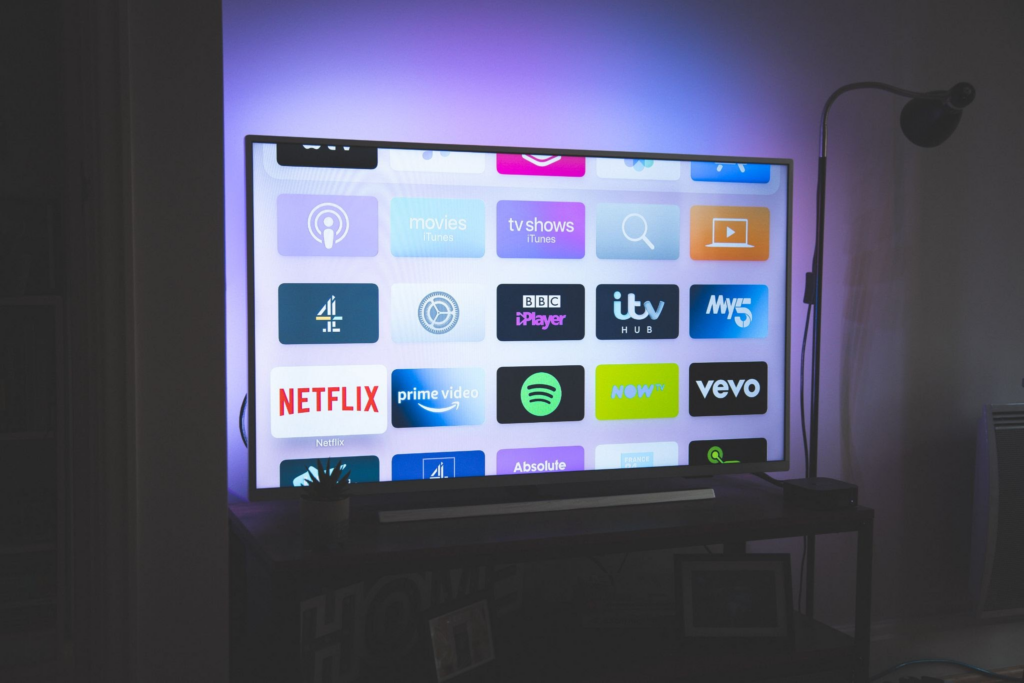
Connected TV (CTV) advertising refers to ads that appear on smart TVs and other devices connected to a TV set, such as streaming devices (Roku, Amazon Fire TV, Apple TV) and gaming consoles. Unlike OTT advertising, which encompasses all forms of internet-based video content, CTV specifically targets content consumed via a TV screen.
Key Features of CTV Advertising:
- Smart TVs and Devices: Ads are displayed on TVs connected to the internet through smart TV apps or external streaming devices.
- Big Screen Experience: CTV ads reach viewers in a more immersive environment compared to smaller screens.
- Interactive Capabilities: CTV platforms often support interactive ad formats, enhancing viewer engagement.
Benefits of OTT and CTV Advertising
1. Targeted Advertising
Both OTT and CTV platforms offer advanced targeting options. Advertisers can reach specific demographics, interests, and even geographic locations. This level of precision ensures that ads are shown to viewers who are most likely to be interested in the product or service, improving the overall effectiveness of the campaign.
2. High Engagement
Viewers on OTT and CTV platforms are often more engaged because they choose what to watch and when. This voluntary viewership leads to higher engagement rates with ads, as opposed to traditional TV where viewers may be less attentive.
3. Better Analytics
OTT and CTV platforms provide detailed analytics that help advertisers understand how their ads are performing. Metrics such as view-through rates, click-through rates, and demographic insights allow for data-driven decisions and optimization of ad campaigns.
4. Cost-Effective
Compared to traditional TV advertising, OTT and CTV advertising can be more cost-effective. Advertisers can choose from various pricing models, such as cost-per-impression (CPM) or cost-per-view (CPV), and often benefit from lower entry costs and more flexible budgeting options.
How to Leverage OTT and CTV Advertising
1. Know Your Audience
Understanding your target audience is crucial. Use the detailed targeting options available on OTT and CTV platforms to tailor your ads to the right viewers. Analyze audience data to ensure your content resonates with their interests and viewing habits.
2. Create Engaging Content
Since OTT and CTV viewers are more likely to be engaged, it’s important to create high-quality, compelling ads. Use eye-catching visuals, clear messaging, and a strong call-to-action to capture viewers’ attention and drive engagement.
3. Utilize Interactive Features
Many CTV platforms offer interactive ad formats, such as clickable banners or interactive overlays. Take advantage of these features to make your ads more engaging and provide a better user experience.
4. Monitor and Optimize
Regularly review your ad performance metrics to understand what’s working and what’s not. Use this data to refine your strategy, optimize your campaigns, and improve your return on investment (ROI).
5. Experiment with Formats
OTT and CTV platforms support various ad formats, including pre-roll, mid-roll, and post-roll ads. Experiment with different formats in order to see which ones perform best for your brand.
Conclusion
OTT and CTV advertising represent a significant shift in how brands can connect with audiences. With their advanced targeting capabilities, high engagement rates, and also cost-effective options, these platforms offer valuable opportunities for modern advertisers. By understanding the unique features of OTT and CTV, creating engaging content, and leveraging advanced targeting and interactive features, businesses can effectively reach their audience and further achieve their advertising goals. As the digital landscape continues to evolve, staying informed and adaptable will indeed be key to maximizing the benefits of OTT and CTV advertising.
Frequently Asked Questions
1. What is the difference between CTV and OTT advertising?
Answer: CTV advertising targets ads on smart TVs and connected devices, while OTT advertising covers all streaming content delivered over the internet.
2. How can I target specific audiences with CTV and OTT advertising?
Answer: Both platforms offer advanced targeting options, including demographics, interests, and geographic locations, to ensure your ads reach the right viewers.
3. Are CTV and OTT ads more cost-effective than traditional TV ads?
Answer: Yes, CTV and OTT ads can be more cost-effective, with flexible pricing models and lower entry costs compared to traditional TV advertising.
4. What types of ad formats are available on CTV and OTT platforms?
Answer: Available ad formats include pre-roll, mid-roll, post-roll, interactive ads, and clickable banners, therefore allowing for various engagement levels and strategies.
Learn in 60s
Short vertical lessons from our team. Tap to watch, swipe for the next.
 1:03Ep 10: Protections and blocks
Ep 10: Protections and blocks
 1:07Ep 9: Pricing rules after the Google ruling
Ep 9: Pricing rules after the Google ruling
 0:57Ep 8: First-price auctions and bid shading
Ep 8: First-price auctions and bid shading
 1:03Ep 7: Open Bidding, Google’s server-side header bidding
Ep 7: Open Bidding, Google’s server-side header bidding
 1:03Ep 6: Dynamic allocation
Ep 6: Dynamic allocation
 1:06Ep 4: Line item priorities
Ep 4: Line item priorities
 1:05Ep 3: Orders, line items, creatives
Ep 3: Orders, line items, creatives
 1:07Ep 2: How a page asks for an ad: the GPT tag
Ep 2: How a page asks for an ad: the GPT tag
 1:05Ep 1: AdSense vs Ad Manager vs AdX
Ep 1: AdSense vs Ad Manager vs AdX
 1:02Ep 10: Dynamic floors in Prebid
Ep 10: Dynamic floors in Prebid