
In-app advertisements are a very important part of the mobile experience, changing how businesses talk to and engage with people. As more and more people use smartphones, in-app ads give marketers a special chance to reach users personally and interestingly. This article goes into the topic of in-app advertisements, looking at different types, advantages, difficulties, and ways to be successful with them.
What Are In-App Advertisements?
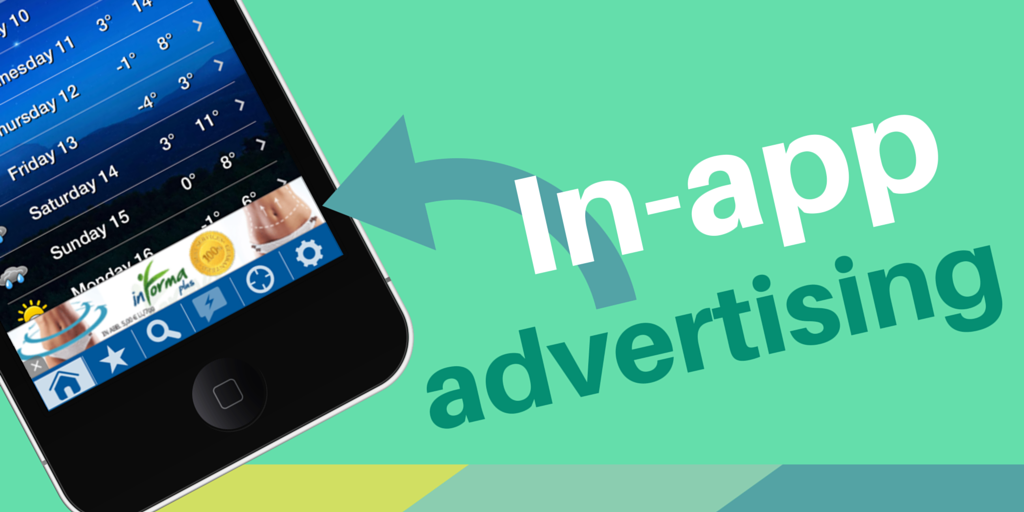
In-app advertisements are ads showing inside mobile applications. These ads are put in smart places to catch the user’s eye, but do not make using the app too much trouble. Different from usual web ads, in-app ads are designed to blend smoothly with the app’s layout. This makes them more interesting and not as bothersome.
Types of In-App Advertisements
1. Banner Ads
Banner ads are small rectangular pictures or text advertisements that appear in a thin part at the top or bottom of your screen. They are easy to create, not expensive, and can work well for making people recognize a brand. However, their small size limits the amount of information that can be conveyed.
2. Interstitial Ads
Interstitial ads are full-screen advertisements that take over the whole app screen. They usually show up at times when it makes sense in the app, like between game levels or after finishing a task. Because of their big size and important place, interstitial ads are easy to see and create a strong effect.
3. Native Ads
Native ads are made to match how the app looks and feels. They mix well with the content of the app, so they do not disturb much and catch more attention. Native ads may times look like sponsored content, promoted listings, or in-feed ads.
4. Rewarded Video Ads
Rewarded video ads reward users, like game money or extra lives, if they watch a short video. These ads are very common in gaming apps because they benefit both the user and the advertiser. The user gets something valuable for free, and advertisers get to show their message interestingly.
5. Playable Ads
Playable ads give people a chance to try a small part of a game or app before they decide to download it. These types of ads create a more interesting experience and can help in getting users involved and increasing the number who download the game or app.
Benefits of In-App Advertisements
1. High Engagement Rates
In-app ads usually get more people to engage than other kinds of digital ads. This happens because users spend a lot of time on mobile apps, giving them more chances to see and interact with the ads.
2. Precise Targeting
Apps with advertising platforms can use user data to show very specific ads. Details such as where a person is, their age group, and how they act help make ads more personal and interesting for the viewers watching them.
3. Enhanced User Experience
Well-placed ads inside apps can make the user experience better by giving useful content or rewards. For example, video ads that give rewards in-game apps can improve gaming fun by providing extra items for players to use.
4. Measurable Results
Advertisers can see how well in-app ads are working right away. They get information about things such as impressions, clicks, conversions, and other important numbers. This way of using data helps them make their ad campaigns better all the time.
Challenges of In-App Advertisements
1. Ad Fatigue
Users can feel tired of ads if they see too many, which might make them use the app less and even stop using it completely. It is very important to find a middle ground between making money from ads and keeping users happy with their experience on the app.
2. Privacy Concerns
With more worries about data privacy growing, advertisers must follow rules like GDPR and CCPA. Being clear about how they collect and use data is important to keep users’ trust.
3. Ad Blockers
Some people use ad blockers so they do not see any ads at all. Even though in-app ads are less impacted by ad blockers compared to web ads, it is still difficult for advertisers to connect with these users.
Strategies for Successful In-App Advertising
1. Know Your Audience
To make good in-app ads, knowing your target audience is indeed very important. Using data analytics helps you understand things such as what users like and how they behave. This way, you can change your ads to match their interests better.
2. Focus on Quality
Ads that look very good and also matter to the user have better chances of doing well. Spend money on making creative designs and interesting ad words in order to catch users’ eyes and keep them interested.
3. Test and Optimize
Always try different ad styles, locations, and messages in order to see which one is best. Use A/B testing to look at the differences between versions and further make your ads better based on how they perform.
4. Integrate Seamlessly
Make sure your ads fit smoothly into the app setting. Native ads and rewarded videos are good examples of ad types that improve instead of interrupting how users experience the app.
5. Monitor and Adapt
Watch your ad performance metrics carefully and be ready to change things if necessary. The mobile ad world changes fast, so being flexible will help keep your campaigns effective.
Conclusion
In-app advertisements give a strong method for reaching as well as engaging mobile users. By knowing the various types of in-app ads, using their advantages, and solving their problems, businesses can indeed make good ad campaigns that bring results. With good planning and careful doing, ads inside the app can make user experiences better while reaching marketing goals.
FAQs on In-App Advertisements
1. What are in-app advertisements?
In-app advertisements are ads that appear within mobile applications. They are designed to integrate seamlessly with the app’s interface, offering various formats such as banner ads, interstitial ads, native ads, rewarded video ads, and playable ads.
2. What are the benefits of using in-app advertisements?
In-app ads provide high engagement rates, precise targeting, an enhanced user experience, and also measurable results. They leverage user data in order to deliver personalized ad experiences and offer valuable insights for continuous campaign optimization.
3. What are some common challenges with in-app advertisements?
Challenges include ad fatigue, where users may become overwhelmed by too many ads, privacy concerns related to data collection, and also the impact of ad blockers. Balancing monetization with user experience is indeed crucial to overcoming these challenges.
4. How can I make my in-app advertisements more effective?
To create effective in-app ads, understand your audience, focus on high-quality, visually appealing ads, continuously test and optimize different formats and messages, integrate ads seamlessly into the app, and monitor performance metrics to adapt your strategies accordingly.
Learn in 60s
Short vertical lessons from our team. Tap to watch, swipe for the next.
 1:03Ep 10: Protections and blocks
Ep 10: Protections and blocks
 1:07Ep 9: Pricing rules after the Google ruling
Ep 9: Pricing rules after the Google ruling
 0:57Ep 8: First-price auctions and bid shading
Ep 8: First-price auctions and bid shading
 1:03Ep 7: Open Bidding, Google’s server-side header bidding
Ep 7: Open Bidding, Google’s server-side header bidding
 1:03Ep 6: Dynamic allocation
Ep 6: Dynamic allocation
 1:06Ep 4: Line item priorities
Ep 4: Line item priorities
 1:05Ep 3: Orders, line items, creatives
Ep 3: Orders, line items, creatives
 1:07Ep 2: How a page asks for an ad: the GPT tag
Ep 2: How a page asks for an ad: the GPT tag
 1:05Ep 1: AdSense vs Ad Manager vs AdX
Ep 1: AdSense vs Ad Manager vs AdX
 1:02Ep 10: Dynamic floors in Prebid
Ep 10: Dynamic floors in Prebid