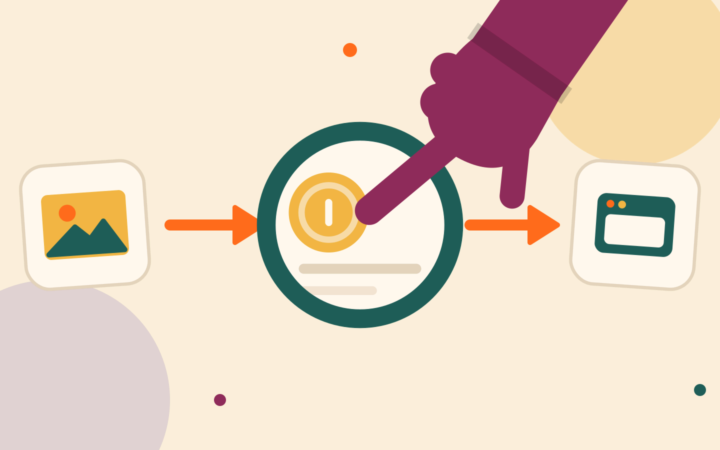
In today’s digital world, tailored ads have become a crucial component of effective advertising strategies. These ads are designed to match the interests and preferences of individual users, making them more relevant and engaging. This article explores what tailored ads are, how they work, their benefits, and some considerations to keep in mind.
What Are Tailored Ads?
Tailored ads, also known as personalized ads, are advertisements that are customized based on a user’s behavior, interests, and demographics. Unlike generic ads that are shown to everyone, tailored ads are specifically designed to resonate with individual users. This personalization is achieved through data collected from various sources, such as browsing history, search queries, and social media activity.
How Do Tailored Ads Work?
1. Data Collection
The first step in creating tailored ads is collecting data about users. This data can include:
- Browsing History: The websites and pages users visit.
- Search Queries: The terms and questions users search for online.
- Purchase History: Past purchases and transactions.
- Social Media Activity: Likes, shares, and interests on social media platforms.
2. Data Analysis
Once you collect the data, algorithms analyze it to identify patterns and preferences. For example, if a user frequently searches for fitness-related topics, the algorithm might determine that the user takes interest in health and wellness.
3. Ad Creation
Based on the analysis, advertisers create ads that match the identified interests and preferences. For example, a user interested in fitness might see ads for workout gear, healthy meal plans, or gym memberships.
4. Ad Delivery
You then deliver tailored ads to users through various channels, such as social media platforms, search engines, and websites. This targeted approach ensures that users see ads relevant to their interests, which increases the likelihood of engagement. This targeted approach ensures that users see ads that are relevant to their interests, increasing the likelihood of engagement.
Benefits of Tailored Ads
1. Increased Relevance
Tailored ads are more relevant to users because they are based on their specific interests and behavior. This relevance makes users more likely to engage with the ad, leading to higher click-through rates and conversions.
2. Enhanced User Experience
Personalized ads improve the overall user experience by showing ads that align with users’ preferences. This approach keeps users from getting annoyed by irrelevant ads and makes their online experience more enjoyable.
3. Better ROI for Advertisers
Advertisers benefit from tailored ads because they can target their audience more effectively. Showing ads to users who are already interested in the product or service helps advertisers achieve better results and higher returns on their investment.
4. Increased Engagement
Tailored ads often result in higher engagement rates because they resonate with users on a personal level. When users see ads that match their interests, they are more likely to interact with the ad and take the desired action.
Considerations for Tailored Ads
1. Privacy Concerns
Collecting and using personal data for tailored ads can raise privacy concerns. Users might feel uncomfortable about the amount of data collected and how advertisers use it. It’s important for advertisers to be transparent about data collection practices and ensure they comply with privacy regulations.
2. Data Accuracy
The effectiveness of tailored ads depends on the accuracy of the data collected. Inaccurate or outdated data can lead to irrelevant ads, which may frustrate users. Advertisers must regularly update and refine their data to ensure that their ads remain relevant.
3. Over-Personalization
While tailored ads aim to be relevant, over-personalization can occur. Users might feel that advertisers are overly scrutinizing their online activities, which can lead to discomfort. Balancing personalization with user comfort is essential for maintaining a positive user experience.
4. Ad Fatigue
Repeatedly seeing the same tailored ads can indeed lead to ad fatigue, where users become tired of seeing the same ads over and over. Advertisers should vary their ad content and also ensure users see a diverse range of ads to avoid this issue.
A Look Into the Best Practices
1. Respect Privacy
Always respect user privacy and comply with data protection regulations. Communicate clearly how you collect and use data, and offer users options to manage their preferences.
2. Use Accurate Data
Ensure that the data used in order to create tailored ads is accurate and up-to-date. Regularly review and also update data to maintain the relevance of your ads.
3. Diversify Ad Content
Avoid ad fatigue by diversifying your ad content. Create a range of ads in order to keep users engaged and prevent them from seeing the same ad repeatedly.
4. Test and Optimize
Continuously test and optimize your tailored advertisements in order to improve their effectiveness. Analyze performance metrics and further make adjustments based on user feedback and engagement data.
Conclusion

Tailored ads indeed represent a significant advancement in advertising, allowing businesses to connect with users on a more personal level. By leveraging data to create relevant and engaging ads, advertisers can enhance user experience, improve engagement, and further achieve better results. However, it’s essential to address privacy concerns, ensure data accuracy, and balance personalization to create effective and respectful advertising strategies.
Frequently Asked Questions (FAQs)
1. What are tailored ads?
Tailored ads, or personalized ads, customize advertisements based on a user’s behavior, interests, as well as demographics. They aim to show relevant content to individual users, thus enhancing engagement and effectiveness.
2. How do they work?
They work by collecting data on users’ online behavior, such as browsing history and search queries. This data is analyzed to understand user preferences, and ads are then created and delivered based on these insights.
3. What are the benefits?
Tailored advertisements increase relevance, improve user experience, and also provide better ROI for advertisers. By targeting users with relevant content, these ads lead to higher engagement rates and thus more effective marketing campaigns.
4. What are the privacy concerns?
Privacy concerns arise from the collection and then use of personal data for ad targeting. Users may worry about how companies use and then share their data. Advertisers must ensure transparency and indeed comply with privacy regulations to address these concerns.
Learn in 60s
Short vertical lessons from our team. Tap to watch, swipe for the next.
 1:16Prebid 10 and 11: what changed in your wrapper
Prebid 10 and 11: what changed in your wrapper
 1:04App developers: from AdMob alone to in-app bidding
App developers: from AdMob alone to in-app bidding
 1:04CTV publishers: from one app to many buyers
CTV publishers: from one app to many buyers
 1:01Web gaming sites: rewarded and interstitial ads
Web gaming sites: rewarded and interstitial ads
 1:05Finance publishers: high CPMs and strict brand safety
Finance publishers: high CPMs and strict brand safety
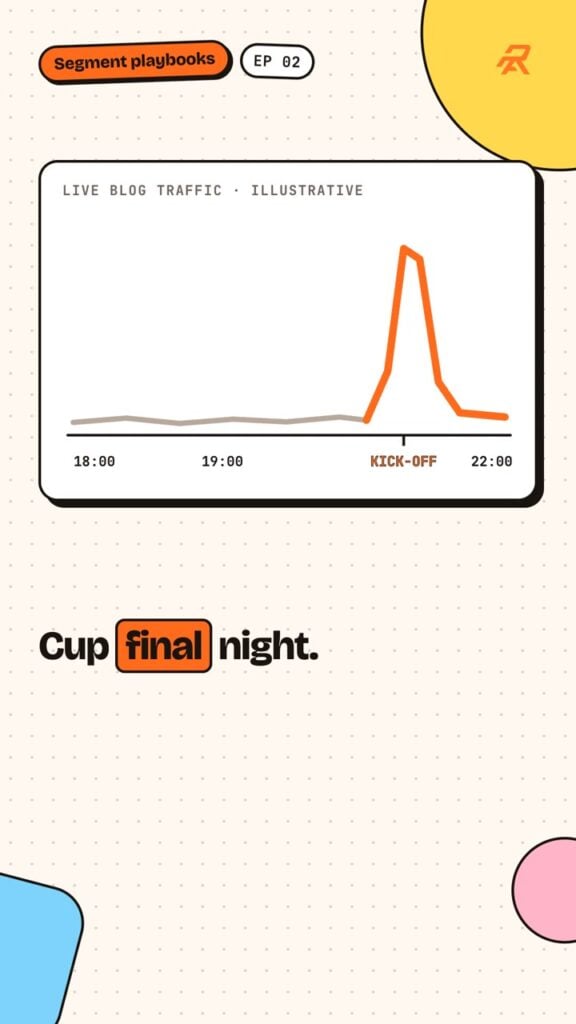 1:00Sports publishers: traffic spikes and live-event yield
Sports publishers: traffic spikes and live-event yield
 1:02News publishers: AI search, fewer clicks, and yield
News publishers: AI search, fewer clicks, and yield
 1:10CoMP: getting paid when AI crawls your content
CoMP: getting paid when AI crawls your content
 1:21Agentic ad protocols: ARTF and AAMP
Agentic ad protocols: ARTF and AAMP
 1:09The IAB spiders and bots list
The IAB spiders and bots list