 1:05
SHARC: the standard meant to replace SafeFrame and MRAID
One expandable ad, built twice. Once for apps, once for websites.
Lesson notes
One expandable ad, built twice. Once for apps, once for websites.
SHARC, the Secure HTML Ad Rich-media Container, is the IAB standard meant to merge both.
Here’s the problem. Rich media ads, the ones that expand, must talk to the page around them. Apps use M-RAID. Websites use SafeFrame. Two rulebooks, so creatives got built and tested twice. SHARC proposed one container. The ad asks it to resize, open a link, or close, and the container approves or refuses. The ad can’t read your page. Tech Lab finalized version one in December twenty twenty-two, and lists it as replacing both. In practice, adoption is hard to find, and the reference code hasn’t changed since early twenty twenty-four.
So keep M-RAID support in your app SDK, and check the SafeFrame setting on your Ad Manager creatives.
Next: DSA transparency in the EU bid stream.
Up next in this series
 1:08DSA transparency in the EU bid stream
DSA transparency in the EU bid stream
 1:09The IAB spiders and bots list
The IAB spiders and bots list
 1:21Agentic ad protocols: ARTF and AAMP
Agentic ad protocols: ARTF and AAMP
 1:10CoMP: getting paid when AI crawls your content
CoMP: getting paid when AI crawls your content
 1:25OpenRTB started with block lists
OpenRTB started with block lists
 1:18Header bidding, in one story
Header bidding, in one story
 1:24Who actually handled this impression? (schain)
Who actually handled this impression? (schain)
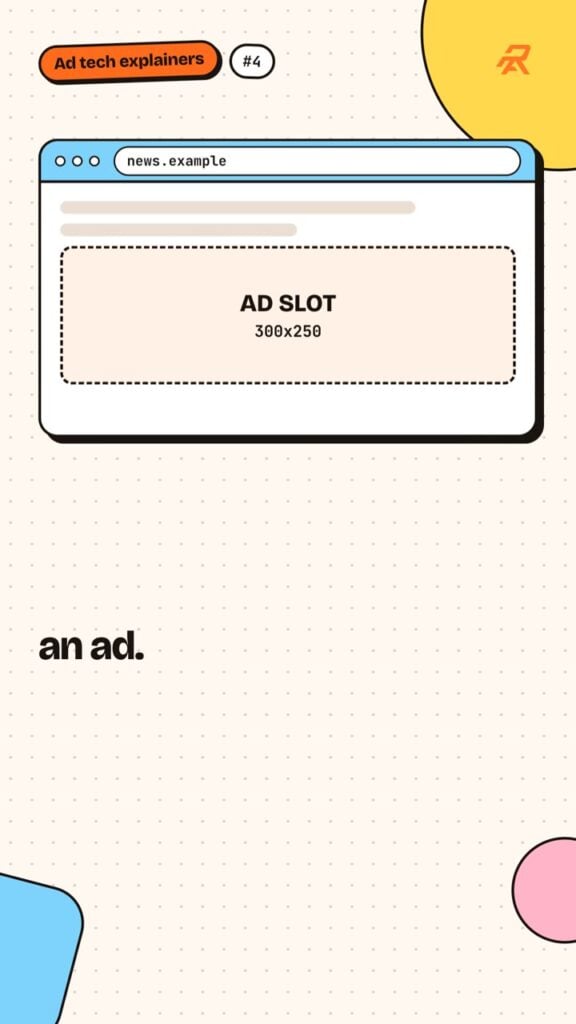 1:05Inside an OpenRTB bid request
Inside an OpenRTB bid request
 1:01buyers.json and DemandChain: the buyer-side mirror
buyers.json and DemandChain: the buyer-side mirror
 1:05ads.cert: signing the bid request
ads.cert: signing the bid request
 1:07OM SDK: how viewability gets measured in apps
OM SDK: how viewability gets measured in apps