Short answer: for a publisher, a third-party ad server is ad serving software you license from a tech company instead of building your own. Google Ad Manager is the one most websites use; well-known alternatives include Microsoft Monetize, Equativ, FreeWheel and Magnite’s SpringServe for streaming TV, Kevel for custom builds, and AdButler, Broadstreet or Revive Adserver for smaller direct-sold setups. The right one depends on how much you sell directly, which formats you run and how much engineering help you have.
This page is for publishers and ad ops teams choosing or reviewing an ad server. It explains what the term means (it is used in two different ways), describes well-known options and who each suits, and gives a short checklist for choosing. Every product was checked as active in November 2026.
What a publisher ad server does
An ad server is the system that makes the final decision about which ad appears in each slot. For a publisher it usually handles:
- Trafficking: setting up orders, line items and creatives for direct-sold campaigns.
- Decisioning: choosing between direct campaigns, header bidding bids and exchange demand for each impression, based on priority and price.
- Delivery and pacing: making sure sold campaigns hit their goals on time, with frequency caps and targeting.
- Forecasting and reporting: showing what inventory is available and how each campaign performed.
First-party vs third-party ad servers: two meanings
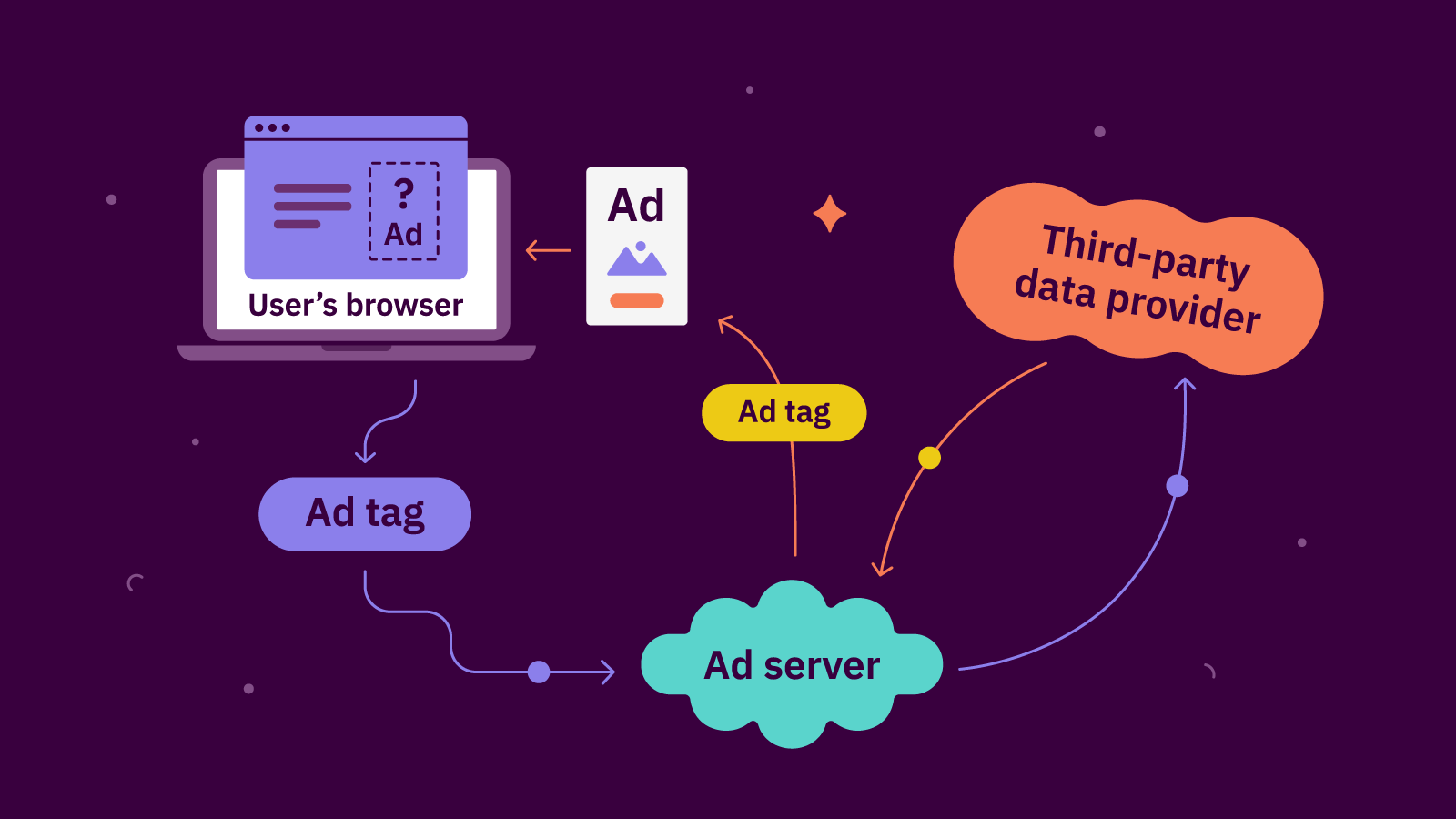
The term “third-party ad server” causes a lot of confusion. In ad agency language, the first-party ad server is the publisher’s (it serves ads on the site), and the third-party ad server is the advertiser’s (it hosts the creative, counts impressions and checks the publisher’s numbers). Many publishers, though, use “third-party” to mean any ad server they license from a vendor rather than build in-house.
This page covers both. Most of it is about publisher ad servers, because that is what publishers choose. A short section at the end covers the advertiser-side ad servers whose tags you will receive.
Well-known publisher ad servers
Listed in no particular order. These are well-known options, not a ranking.
Google Ad Manager
Google Ad Manager (formerly DoubleClick for Publishers, renamed in 2018) is the ad server most websites and many apps use. It comes in a standard version and Ad Manager 360 for larger publishers, and connects directly to Google’s AdX exchange and to header bidding through key-values. It suits nearly any size of publisher. In April 2025 a US court found Google had illegally monopolised publisher ad servers and ad exchanges, so some Ad Manager rules may change as the court’s remedies take effect.
Microsoft Monetize
Monetize, the former AppNexus and Xandr platform, combines a publisher ad server, an SSP and yield analytics. Microsoft closed its Invest DSP in February 2026 but kept Monetize. It suits large publishers that want ad serving and programmatic selling in one system. Moving a large ad server is a big project, so ask for the product roadmap before you commit.
Equativ
Equativ, known as Smart AdServer until 2022, offers an ad server joined to its own SSP, covering display, video and CTV. It is well established with European publishers and broadcasters. As with Monetize, combining ad server and SSP in one vendor is convenient but makes switching either part later more work.
FreeWheel
FreeWheel, owned by Comcast, is an ad server and SSP built for TV networks and large streaming services, with features such as ad pods and live-event ad breaks. It suits broadcasters and premium video publishers. It is not designed for ordinary display websites.
SpringServe (Magnite)
SpringServe is Magnite’s video and CTV ad server, which in 2025 absorbed Magnite’s streaming SSP products. Publishers use it to run ad decisioning and mediation for streaming apps and FAST channels. It suits video-first and CTV publishers; web-only display sites will get little use from it.
Kevel
Kevel (formerly Adzerk) sells API-first ad serving for companies that want to build their own ad product, such as retail media networks, marketplaces and publishers with custom native units. It suits teams with developers. It is a toolkit rather than a ready-made interface, so plan engineering time.
AdButler
AdButler is a hosted ad server for media networks and publishers, with self-serve buying and first-party audience tools. It suits small and mid-size publishers and networks that mainly sell directly. If programmatic is a large share of your revenue, check how it connects to header bidding and exchanges.
Broadstreet
Broadstreet is an ad manager built for local news, city magazines and B2B publishers that rely on direct sales. It focuses on easy setup and formats that local advertisers buy. Its focus is direct sales, so publishers with heavy programmatic revenue should check how it handles header bidding.
Revive Adserver
Revive Adserver is a free, open-source ad server you install on your own server; a hosted edition is also offered. It suits technical publishers who want full control of a simple direct-sold setup. You are responsible for hosting, updates and security.
Advertiser-side ad servers you will meet
When a brand sends you a tag, it usually comes from one of these. You don’t choose them, but you should know them because their counts are compared with yours.
Campaign Manager 360
Google’s advertiser ad server, part of Google Marketing Platform and formerly DoubleClick Campaign Manager. Agencies use it to host creatives and measure campaigns across many publishers.
Innovid (including Flashtalking)
Mediaocean bought Innovid in February 2025, merged it with Flashtalking and now uses Innovid as the name of the combined ad tech business. It serves and measures ads across display, video and CTV for advertisers.
At a glance
| Ad server | Main fit |
|---|---|
| Google Ad Manager | Most websites and apps, any size |
| Microsoft Monetize | Large publishers wanting ad server and SSP together |
| Equativ | European publishers and broadcasters, display to CTV |
| FreeWheel | TV networks and premium streaming |
| SpringServe | Video-first and CTV publishers |
| Kevel | Custom ad products built by developers |
| AdButler | Direct-sold sites and media networks |
| Broadstreet | Local news and B2B publishers |
| Revive Adserver | Self-hosted, simple direct-sold setups |
How to choose an ad server
- How you sell: mostly programmatic, mostly direct, or a mix? Direct-heavy publishers need strong pacing, forecasting and reporting for clients.
- Formats: display, native, video, app or CTV. Streaming needs ad pods and server-side ad insertion support.
- Header bidding: check how Prebid bids reach the ad server and whether it can compare them fairly with other demand.
- Demand access: some ad servers connect directly to an exchange; others rely on you to bring SSPs.
- Team and cost: ask for current pricing in writing, and be honest about how much engineering and ad ops time you have.
- Exit plan: make sure you can export your orders, creatives and reporting history if you move later.
Frequently asked questions
What is the difference between a first-party and a third-party ad server?
Strictly, the first-party ad server belongs to the publisher and serves ads on its pages, while the third-party ad server belongs to the advertiser and hosts and tracks the creative. Many publishers use “third-party” loosely for any licensed ad server.
Is an ad server the same as an SSP?
No. The ad server makes the final choice of which ad shows; an SSP is one source of programmatic bids. Our lesson Your ad server is not an SSP explains the difference in a minute.
Do small publishers need an ad server?
Once you sell any campaigns directly or run more than one demand source, yes. Many small sites start with the standard version of Google Ad Manager or a managed partner that runs one for them.
What happened to DoubleClick for Publishers?
Google merged DoubleClick for Publishers and the DoubleClick Ad Exchange into Google Ad Manager in 2018. The same product continues under that name.
Why don’t my numbers match the advertiser’s ad server?
The two systems count at different moments and filter invalid traffic differently, so small gaps are normal. Agree in the contract which count is used for billing and what gap triggers an investigation.
Your ad server is the centre of your ad stack, so choose it for how you sell today and where you expect to be in a few years, not for a feature list. If you want to see how an ad server makes its decisions from the inside, watch the free Inside Ad Manager lesson series.
Learn in 60s
Short vertical lessons from our team. Tap to watch, swipe for the next.
 1:13Ep 5: AdCP vs AAMP, do you have to pick one?
Ep 5: AdCP vs AAMP, do you have to pick one?
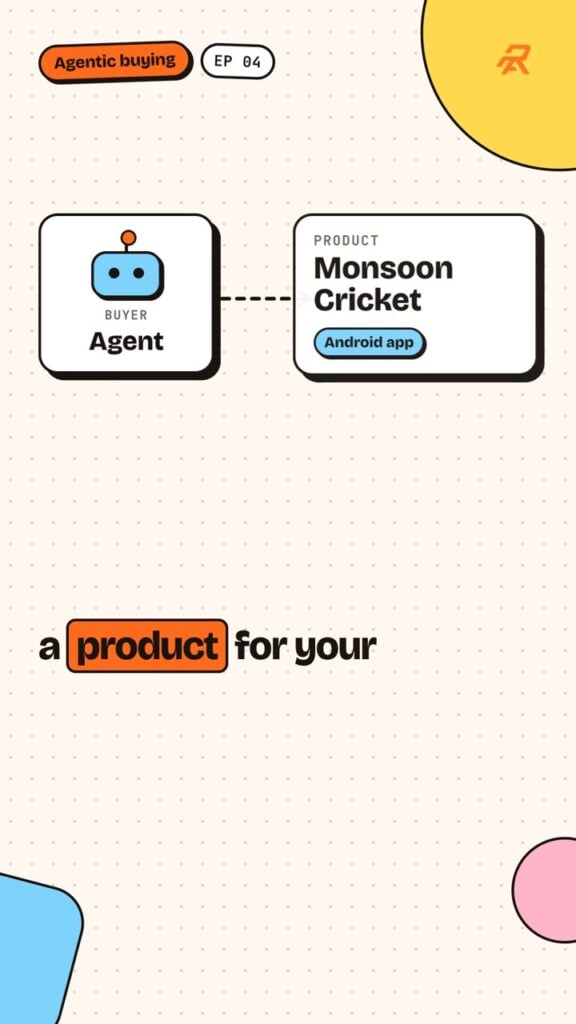 1:02Ep 4: adagents.json, the guest list for AI agents
Ep 4: adagents.json, the guest list for AI agents
 1:08Ep 3: Completed isn’t live: two statuses of a media buy
Ep 3: Completed isn’t live: two statuses of a media buy
 1:07Ep 2: Products, not placements
Ep 2: Products, not placements
 1:04Ep 1: AdCP, how AI agents buy ads
Ep 1: AdCP, how AI agents buy ads
 1:16Prebid 10 and 11: what changed in your wrapper
Prebid 10 and 11: what changed in your wrapper
 1:04App developers: from AdMob alone to in-app bidding
App developers: from AdMob alone to in-app bidding
 1:04CTV publishers: from one app to many buyers
CTV publishers: from one app to many buyers
 1:01Web gaming sites: rewarded and interstitial ads
Web gaming sites: rewarded and interstitial ads
 1:05Finance publishers: high CPMs and strict brand safety
Finance publishers: high CPMs and strict brand safety