
In today’s digital landscape, mobile apps have become an integral part of our daily lives. From social media platforms to productivity tools, games, and news apps, the mobile app market is booming. For app developers and advertisers, this surge in mobile usage presents significant opportunities. One of the key ways to monetize an app or make advertising effective is by understanding mobile app ad rates.
In this article, we will explore what mobile app ad rates are, the factors that affect them, and how developers and advertisers can optimize their ad strategies for better returns.
What Are Mobile App Ad Rates?
Mobile app ad rates refer to the cost advertisers pay to display ads within mobile applications. These rates can vary widely based on several factors such as the type of ad, the app’s audience, the geographical location of users, and the platform used. Essentially, mobile app ad rates determine how much revenue an app developer can earn from showing ads and how much advertisers will pay to reach their target audience through mobile apps.
Mobile app ad rates are typically expressed in the following pricing models:
1. Cost Per Mille (CPM)
CPM is the cost per thousand impressions. Advertisers pay a set amount for every 1,000 times an ad is shown within an app, regardless of whether the user clicks on the ad or not. This model is common for display ads or video ads that focus on brand visibility.
2. Cost Per Click (CPC)
With CPC, advertisers only pay when a user clicks on the ad. This model is typically used for interactive ads like banners, links, or app install ads, where the goal is to drive traffic or conversions.
3. Cost Per Install (CPI)
CPI is a pricing model that charges advertisers based on the number of app installs generated by their ads. This model is commonly used for app promotion campaigns, where the aim is to encourage users to download a new app.
4. Cost Per Action (CPA)
With CPA, advertisers pay only when a specific action is completed, such as a purchase, registration, or in-app purchase. This model is performance-based and is often used for highly targeted campaigns where advertisers want users to take a specific action.
Factors Affecting Mobile App Ad Rates
Several factors influence the cost of ads in mobile apps. Let’s explore some of the most important ones:
1. App Category and Audience Demographics
The type of app and the audience it attracts can significantly impact ad rates. For instance, apps in niches like finance, health, and e-commerce generally attract higher ad rates due to their lucrative audience. Apps with a younger, tech-savvy audience may also see higher rates, as this group is often more engaged and likely to interact with ads.
2. Geographical Location of Users
User location plays a crucial role in determining ad rates. Advertisers typically pay more to target users in countries with higher purchasing power, such as the United States, Canada, the UK, and Western Europe. Conversely, ads targeted at users in developing countries tend to have lower rates, although the volume of impressions may be higher.
3. Ad Format
The type of ad displayed in the app can also influence ad rates. Video ads, especially rewarded video ads (where users opt to watch ads in exchange for in-app rewards), often generate higher rates than display ads or banner ads. Native ads, which blend in with the app’s content, may also attract premium rates due to their ability to deliver a seamless user experience.
4. Ad Placement and Frequency
Where and how often ads are shown in an app affects the pricing. Ads placed in high-traffic areas, like the app’s home screen or between game levels, tend to have higher rates. Additionally, the frequency of ad displays can impact rates. Too many ads might reduce the effectiveness, leading to lower user engagement and ad revenue, while well-placed and spaced ads often perform better.
5. Seasonality
Ad rates can fluctuate depending on the time of year. For example, during peak shopping seasons like the holidays or Black Friday, advertisers are willing to pay more for ad placements to capitalize on increased consumer spending. Similarly, ad rates may drop during slower times of the year when advertisers have smaller budgets.
6. App Engagement and Retention
Apps with high user engagement and strong retention rates often attract higher ad rates. If users are spending more time in the app and returning frequently, advertisers are willing to pay more to target them. The more active and loyal the user base, the more valuable the app becomes to advertisers.
How to Optimize Mobile App Ad Rates
For both developers and advertisers, understanding and optimizing mobile app ad rates is essential to maximizing revenue and return on investment (ROI). Here are a few strategies to improve ad performance:
1. Focus on User Experience
While monetizing through ads is important, it should never come at the expense of the user experience. Ads should be placed in a way that does not disrupt app usage or annoy users. Rewarded video ads or interstitials placed at natural breaks (like between game levels or at app launch) tend to work better. If users feel that ads are intrusive, they may abandon the app altogether, reducing potential revenue.
2. Experiment with Different Ad Formats
Test different ad formats to see which generates the highest ad rates and user engagement. Video ads, native ads, and interstitial ads often perform better than static display ads. Additionally, consider offering rewarded ads, where users can opt in to watch an ad in exchange for rewards such as in-app currency or extra lives.
3. Optimize for High-Value Regions
If possible, target high-value geographical regions to increase ad rates. Consider using ad networks that allow you to target specific countries or regions where advertisers are willing to pay more for impressions. You can also experiment with geo-targeted campaigns to optimize ad revenue from users in premium markets.
4. Increase User Engagement
The more engaged and loyal your users are, the better the ad rates you can command. Focus on improving app retention and engagement by offering a smooth and enjoyable user experience. Frequent updates, relevant content, and regular app improvements can help retain users and increase your app’s value to advertisers.
5. Work with Multiple Ad Networks
To maximize ad revenue, consider integrating multiple ad networks into your app. This allows you to access a larger pool of advertisers, ensuring that you can fill your ad slots with the highest-paying ads available. Additionally, using multiple networks can help you avoid reliance on a single revenue stream.
Conclusion
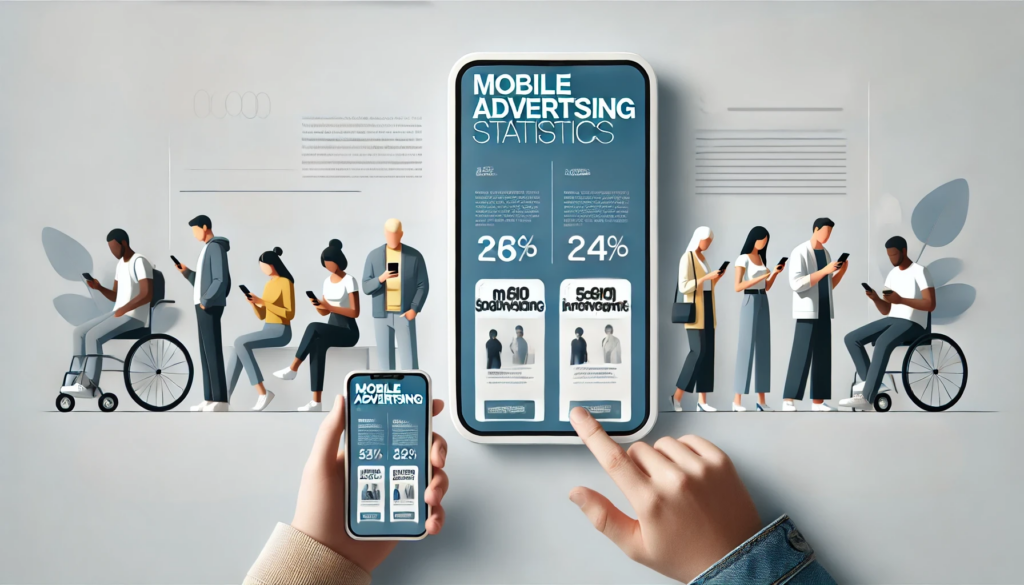
Mobile app ad rates are influenced by a variety of factors, including app type, audience demographics, geographical location, and the format of ads used. By understanding these variables and optimizing ad strategies, app developers and advertisers can maximize their ad revenue and improve user engagement. Whether through targeted campaigns, better ad placements, or experimenting with different formats, there are many ways to make the most of mobile app advertising.
As the mobile app market continues to grow, having a solid understanding of mobile app ad rates will help you stay ahead of the competition and ensure that both developers and advertisers achieve their goals.
Frequently Asked Questions (FAQs)
1. What are mobile app ad rates?
Mobile app ad rates refer to the cost advertisers pay to display ads within mobile apps, typically measured by factors such as CPM, CPC, CPI, or CPA.
2. What factors affect mobile app ad rates?
Factors include app category, audience demographics, geographical location, ad format, placement, frequency, as well as user engagement.
3. How can I optimize mobile app ad rates?
You can optimize rates by testing different ad formats, targeting high-value regions, improving user engagement, and also by using multiple ad networks.
4. Which ad format generates the highest mobile app ad rates?
Video ads, particularly rewarded video ads, and native ads tend to generate the highest ad rates due to better user engagement.
Learn in 60s
Short vertical lessons from our team. Tap to watch, swipe for the next.
 1:13Ep 5: AdCP vs AAMP, do you have to pick one?
Ep 5: AdCP vs AAMP, do you have to pick one?
 1:02Ep 4: adagents.json, the guest list for AI agents
Ep 4: adagents.json, the guest list for AI agents
 1:08Ep 3: Completed isn’t live: two statuses of a media buy
Ep 3: Completed isn’t live: two statuses of a media buy
 1:07Ep 2: Products, not placements
Ep 2: Products, not placements
 1:04Ep 1: AdCP, how AI agents buy ads
Ep 1: AdCP, how AI agents buy ads
 1:16Prebid 10 and 11: what changed in your wrapper
Prebid 10 and 11: what changed in your wrapper
 1:04App developers: from AdMob alone to in-app bidding
App developers: from AdMob alone to in-app bidding
 1:04CTV publishers: from one app to many buyers
CTV publishers: from one app to many buyers
 1:01Web gaming sites: rewarded and interstitial ads
Web gaming sites: rewarded and interstitial ads
 1:05Finance publishers: high CPMs and strict brand safety
Finance publishers: high CPMs and strict brand safety