 1:10
Ep 5: Invalid traffic: GIVT vs SIVT
Myth. Invalid traffic always means somebody is committing fraud.
Lesson notes
Myth. Invalid traffic always means somebody is committing fraud.
Invalid traffic, or IVT, is any ad activity that isn’t genuine human interest.
The Media Rating Council splits it in two. Follow four visits to news.example. A search crawler that announces itself, and a request from a data centre server. Both are GIVT, general invalid traffic, caught routinely with lists. Normal, filtered, usually not your fault. Next, a hijacked phone loading pages in the background, and an ad hidden underneath another ad. Those are SIVT, sophisticated invalid traffic, found only with advanced analysis. That’s what drives deductions and account reviews, and sometimes the cause is on your side. Bought traffic can carry bots. Stacked or hidden slots count. So does clicking your own ads.
This week, list your paid traffic sources, and check no ad slot is hidden or overlapped.
Next, how not to be mistaken for an MFA site.
 Go deeper · 4 min readUnderstanding and Combating Invalid Traffic
Up next in this series
 1:12Ep 6: MFA: how not to be mistaken for one
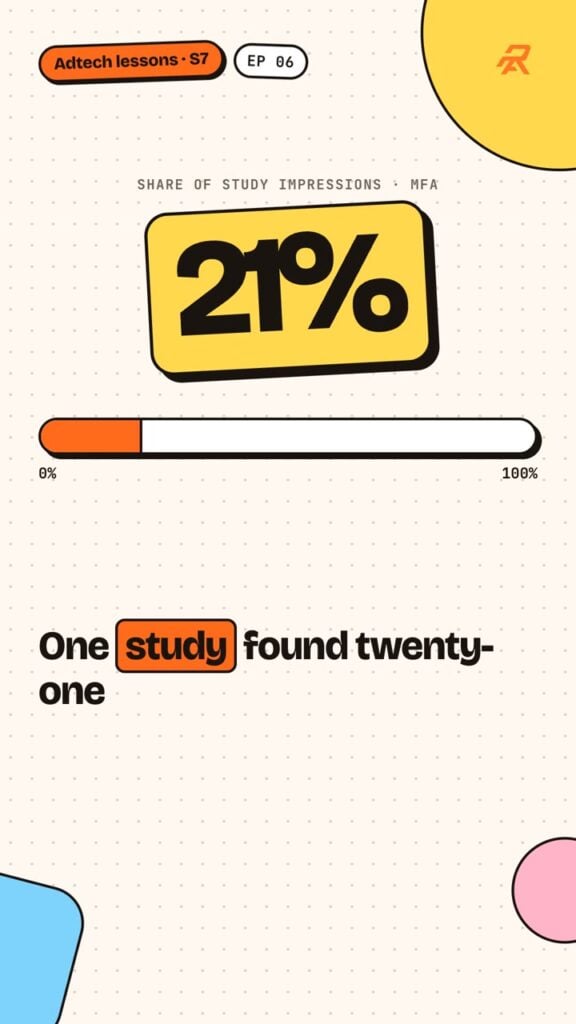
Ep 6: MFA: how not to be mistaken for one
 1:07Ep 7: Brand safety vs brand suitability
Ep 7: Brand safety vs brand suitability
 1:10Ep 8: Why Ad Manager and your SSP never agree
Ep 8: Why Ad Manager and your SSP never agree
 1:03Ep 9: Testing a new demand partner properly
Ep 9: Testing a new demand partner properly
 1:07Ep 10: Incremental vs cannibalised revenue
Ep 10: Incremental vs cannibalised revenue
 1:08Ep 1: Why ads slow pages, and what slow costs you
Ep 1: Why ads slow pages, and what slow costs you
 1:05Ep 2: Reserve the slot: fixing ad layout shift (CLS)
Ep 2: Reserve the slot: fixing ad layout shift (CLS)
 1:06Ep 3: Lazy loading ads without losing impressions
Ep 3: Lazy loading ads without losing impressions
 1:11Ep 4: Ad refresh: time-based vs viewable
Ep 4: Ad refresh: time-based vs viewable