 1:11
Ep 4: Ad refresh: time-based vs viewable
Everyone asks whether ads can refresh every thirty seconds. Sometimes, yes.
Lesson notes
Everyone asks whether ads can refresh every thirty seconds. Sometimes, yes.
Ad refresh loads a new ad into the same slot, without reloading the page.
On game.example, a player stays three minutes beside a sticky sidebar ad. Time-based refresh swaps it every thirty seconds. That’s six ads. If the player switched tabs after one minute, four played to nobody. Viewable refresh waits until the ad counts as viewable, half its pixels on screen for one second. Then it refreshes only if the slot is still in view and the tab is active. Fewer ads, each worth more. Now the buyer rules. In Google Ad Manager, declare refreshing inventory under publisher declarations, with its trigger and interval. Time-based web refresh needs at least thirty seconds. Undeclared refresh breaks policy, and some buyers won’t bid on refreshed slots.
Today, check every refreshing ad unit is declared, with its real interval.
Next, invalid traffic, GIVT versus SIVT.
 Go deeper · 6 min readAd Refresh: Maximize Revenue and Keep Users Engaged with Dynamic Ads
Up next in this series
 1:10Ep 5: Invalid traffic: GIVT vs SIVT
Ep 5: Invalid traffic: GIVT vs SIVT
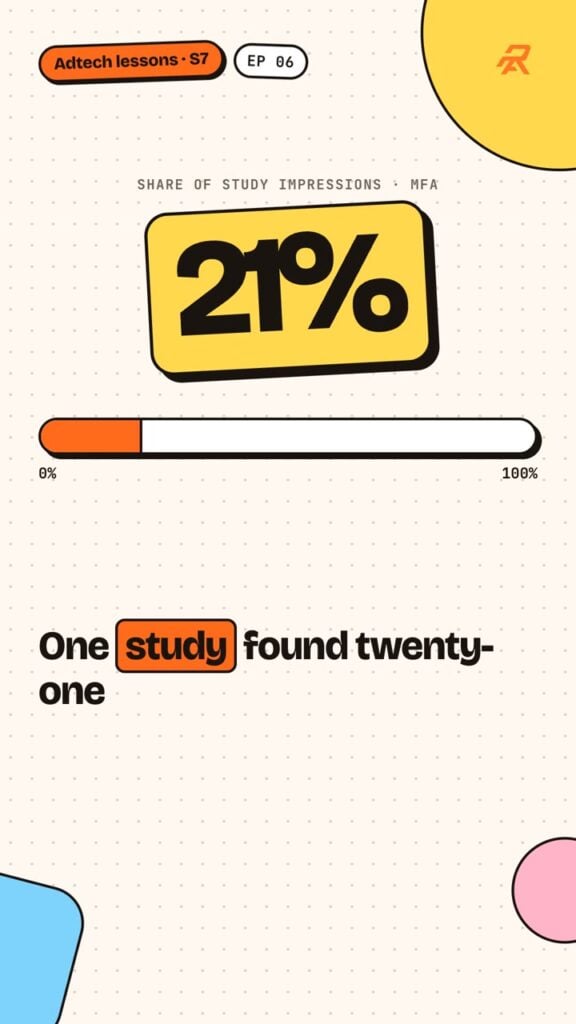 1:12Ep 6: MFA: how not to be mistaken for one
Ep 6: MFA: how not to be mistaken for one
 1:07Ep 7: Brand safety vs brand suitability
Ep 7: Brand safety vs brand suitability
 1:10Ep 8: Why Ad Manager and your SSP never agree
Ep 8: Why Ad Manager and your SSP never agree
 1:03Ep 9: Testing a new demand partner properly
Ep 9: Testing a new demand partner properly
 1:07Ep 10: Incremental vs cannibalised revenue
Ep 10: Incremental vs cannibalised revenue
 1:08Ep 1: Why ads slow pages, and what slow costs you
Ep 1: Why ads slow pages, and what slow costs you
 1:05Ep 2: Reserve the slot: fixing ad layout shift (CLS)
Ep 2: Reserve the slot: fixing ad layout shift (CLS)
 1:06Ep 3: Lazy loading ads without losing impressions
Ep 3: Lazy loading ads without losing impressions