 1:03
Ep 9: Testing a new demand partner properly
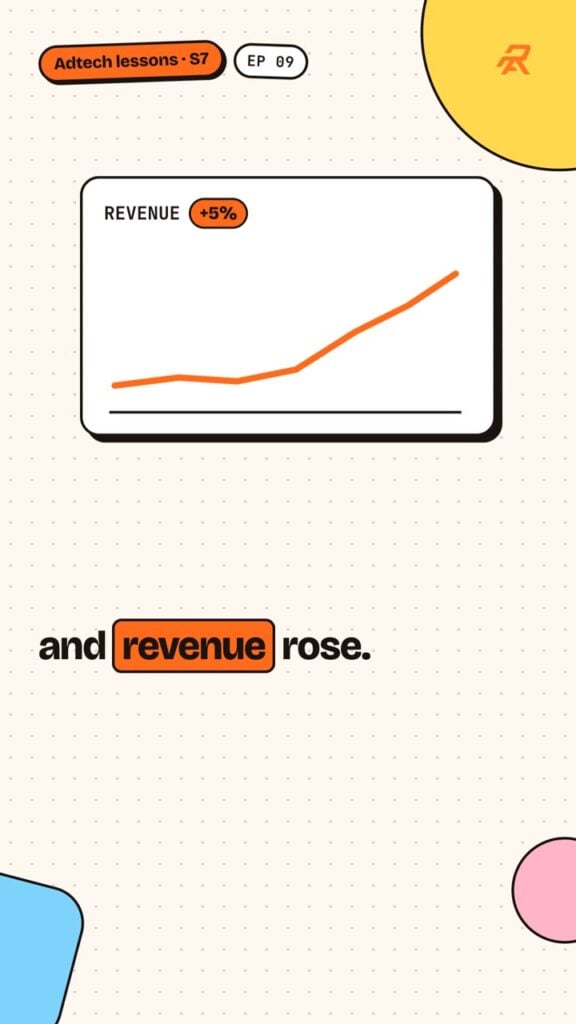
You added a bidder and revenue rose. That's not proof yet.
Lesson notes
You added a bidder and revenue rose. That’s not proof yet.
A holdout is a random slice of traffic kept without the change, for comparison.
On recipes.example, you switch on a new SSP on Monday, and revenue rises five percent. But the holiday season just started, and a recipe went viral. You can’t separate the bidder from the calendar. Do it properly. Pick visitors at random. Twenty percent get the new bidder, eighty percent are the holdout. Both groups live through the same days. After at least two full weeks, compare site-wide revenue per thousand sessions, not the bidder’s dashboard. Say the test group earns ten dollars thirty, the holdout ten dollars. That three percent is the real lift. Check page speed too, and after rollout, keep a small holdout.
Before the next partner goes live, write down the split, the dates and one metric.
Next, incremental versus cannibalised revenue.
 Go deeper · 6 min readUnlocking Ad Success: Top A/B Testing Tools to Supercharge Your Campaigns
Up next in this series
 1:07Ep 10: Incremental vs cannibalised revenue
Ep 10: Incremental vs cannibalised revenue
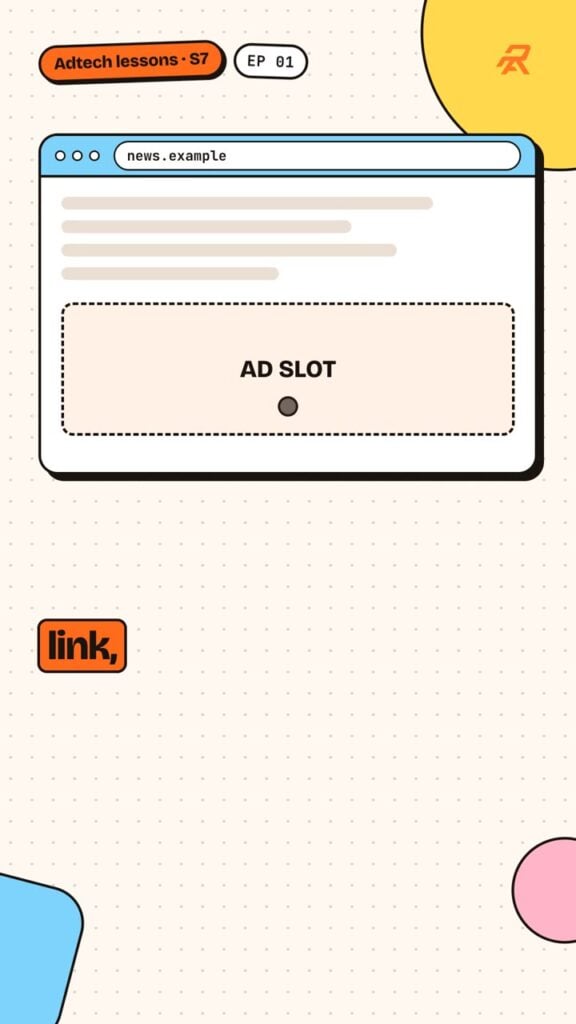 1:08Ep 1: Why ads slow pages, and what slow costs you
Ep 1: Why ads slow pages, and what slow costs you
 1:05Ep 2: Reserve the slot: fixing ad layout shift (CLS)
Ep 2: Reserve the slot: fixing ad layout shift (CLS)
 1:06Ep 3: Lazy loading ads without losing impressions
Ep 3: Lazy loading ads without losing impressions
 1:11Ep 4: Ad refresh: time-based vs viewable
Ep 4: Ad refresh: time-based vs viewable
 1:10Ep 5: Invalid traffic: GIVT vs SIVT
Ep 5: Invalid traffic: GIVT vs SIVT
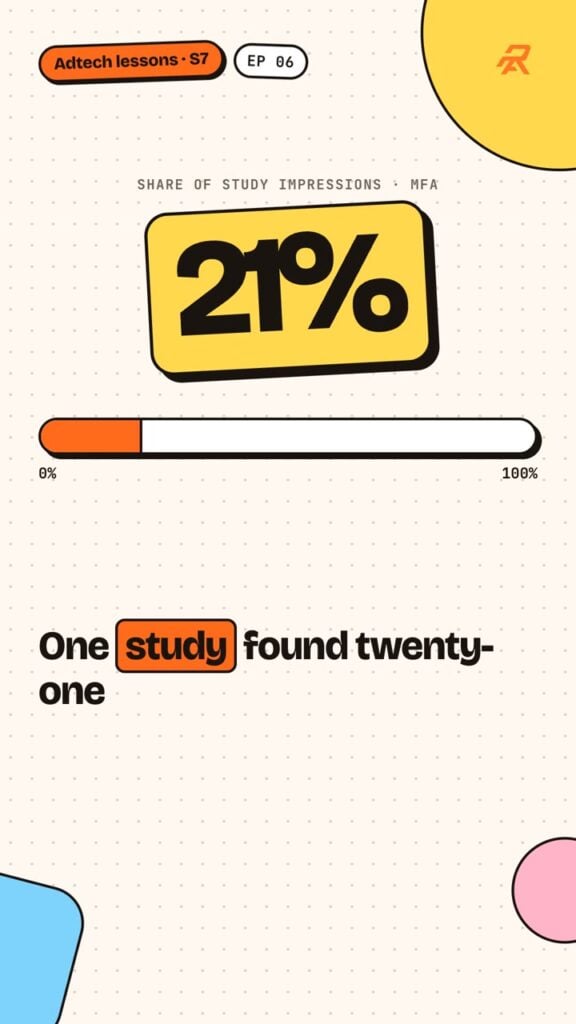 1:12Ep 6: MFA: how not to be mistaken for one
Ep 6: MFA: how not to be mistaken for one
 1:07Ep 7: Brand safety vs brand suitability
Ep 7: Brand safety vs brand suitability
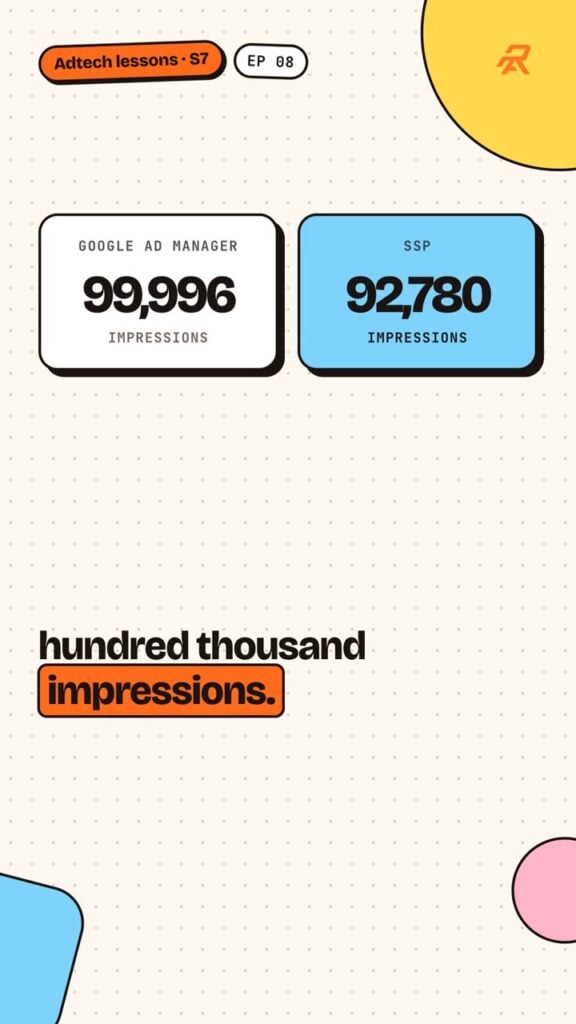 1:10Ep 8: Why Ad Manager and your SSP never agree
Ep 8: Why Ad Manager and your SSP never agree