 1:05
Ep 1: AdSense vs Ad Manager vs AdX
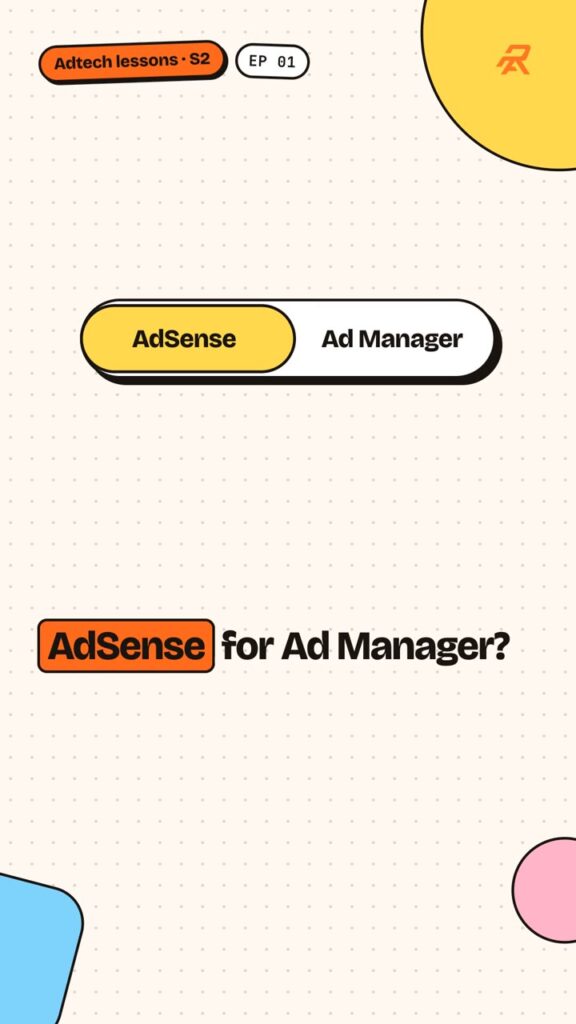
When should you leave AdSense for Ad Manager?
Lesson notes
When should you leave AdSense for Ad Manager?
AdSense sells your ads for you. Ad Manager lets you decide who competes.
Take recipes.example. On AdSense, Google picks the ads and pays you, with little to manage. Google itself says AdSense fits best if you don’t sell ads directly. Then a cookware brand calls. It wants your homepage slot for one week at a fixed price. AdSense can’t book that. Ad Manager can. It’s an ad server, so the deal becomes a line item, and everything else competes for the rest. That includes AdSense, other exchanges, and AdX, Google’s ad exchange. Many smaller sites reach AdX through a Google partner, using Multiple Customer Management, or MCM.
List your demand. Only AdSense and no direct deals? Stay put. Direct deals or several partners? Time to graduate.
Next, how a page asks for an ad, the GPT tag.
 Go deeper · 3 min readUnderstanding Google Ad Manager 360 (Complete Guide)
Up next in this series
 1:07Ep 2: How a page asks for an ad: the GPT tag
Ep 2: How a page asks for an ad: the GPT tag
 1:05Ep 3: Orders, line items, creatives
Ep 3: Orders, line items, creatives
 1:06Ep 4: Line item priorities
Ep 4: Line item priorities
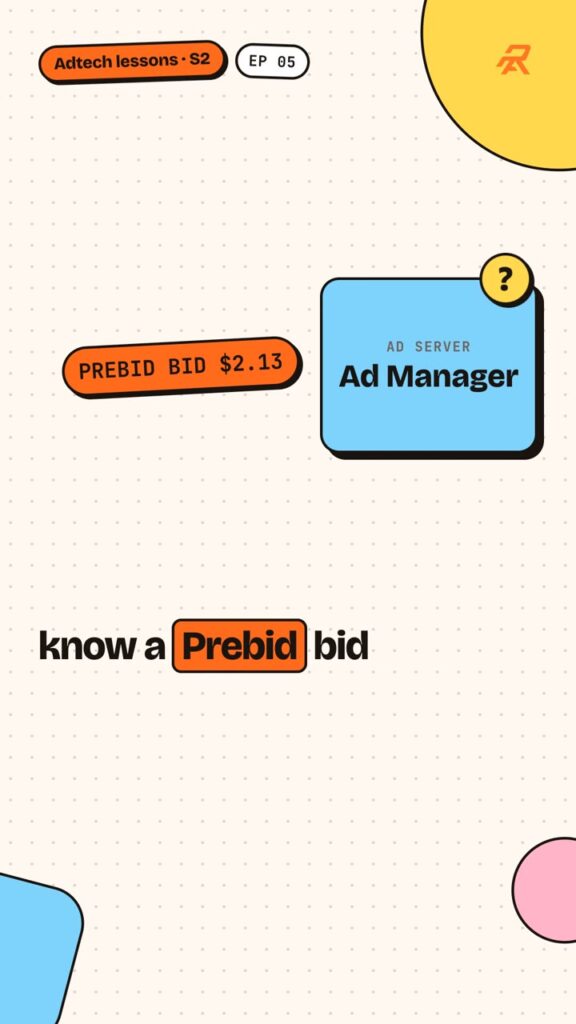 1:00Ep 5: Key-values: how header bidding talks to Ad Manager
Ep 5: Key-values: how header bidding talks to Ad Manager
 1:03Ep 6: Dynamic allocation
Ep 6: Dynamic allocation
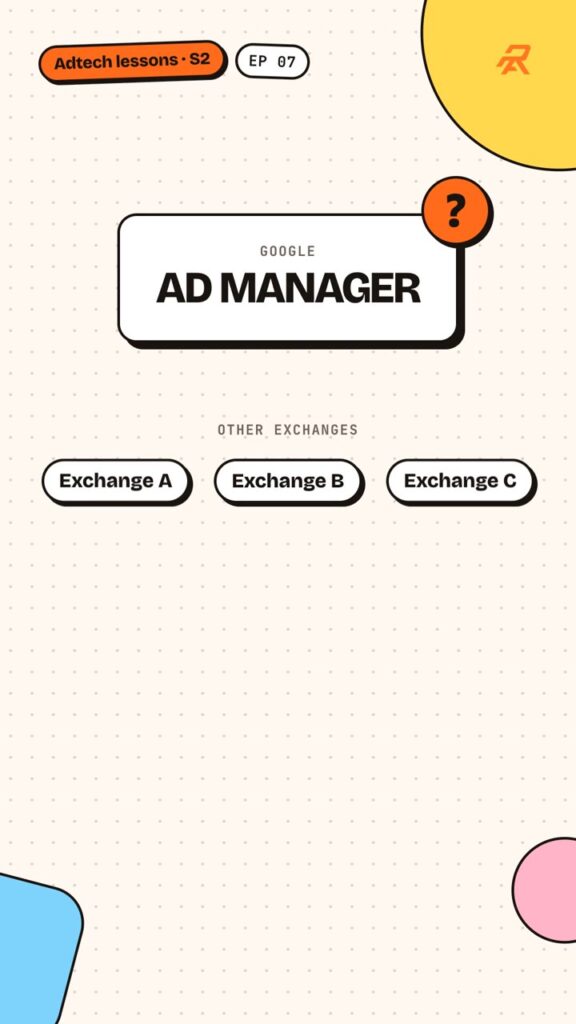 1:03Ep 7: Open Bidding, Google’s server-side header bidding
Ep 7: Open Bidding, Google’s server-side header bidding
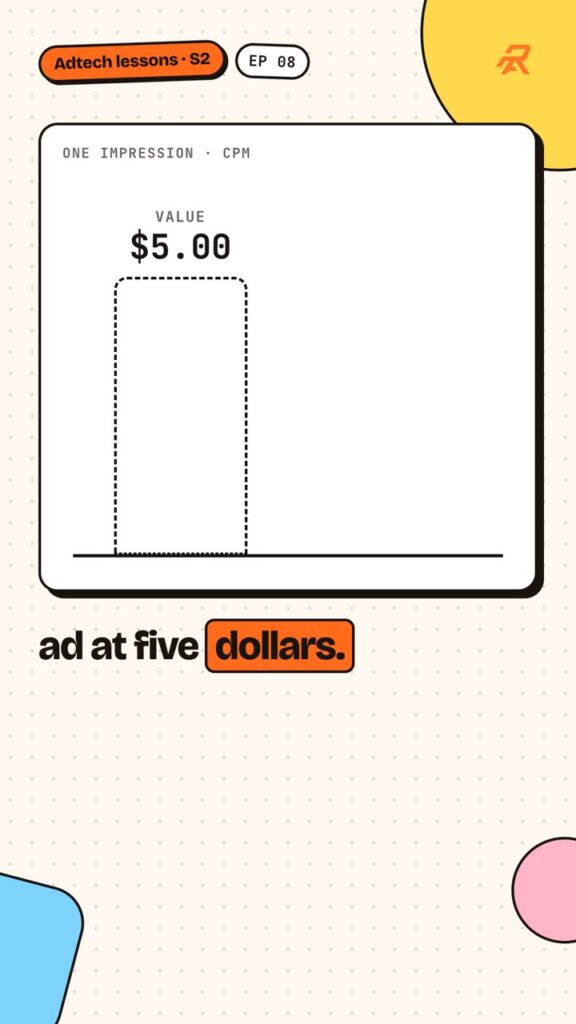 0:57Ep 8: First-price auctions and bid shading
Ep 8: First-price auctions and bid shading
 1:07Ep 9: Pricing rules after the Google ruling
Ep 9: Pricing rules after the Google ruling
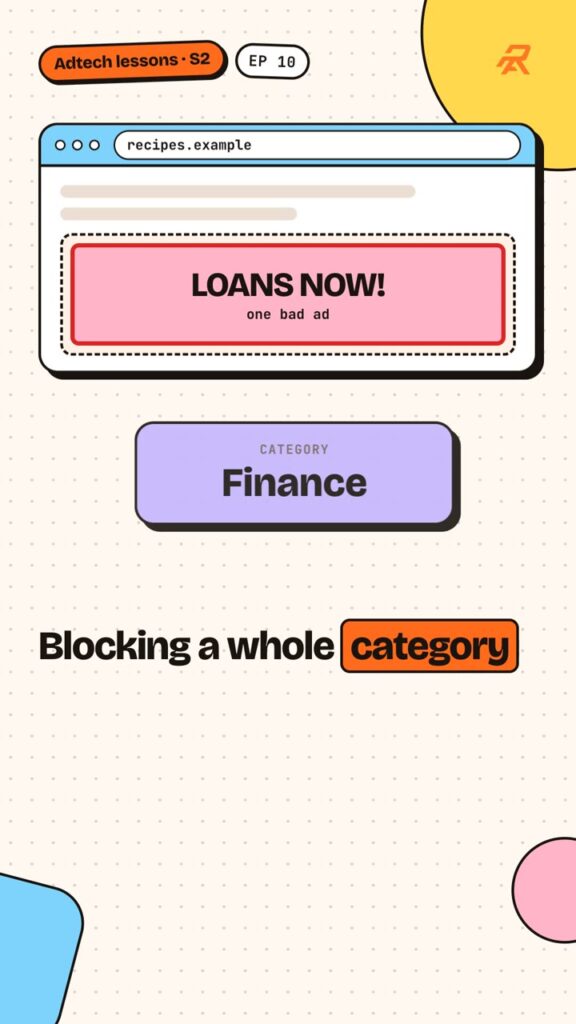 1:03Ep 10: Protections and blocks
Ep 10: Protections and blocks